


September is far too early to declare an NFL season lost, but it is not too early for warning signs to appear. A disastrous defensive performance, a quarterback injury, protection problems or a bad loss against a supposedly beatable opponent can expose weaknesses that become much harder to hide once division races take shape. The opening weeks of the 2026 season have already produced several of those moments.
Some clubs on this list simply looked overwhelmed. Others won their opener but revealed problems that could become serious against stronger competition. With completed Week 1 games, Detroit’s Thursday night Week 2 result and confirmed injury developments providing the clearest evidence so far, these are 20 NFL teams that already have legitimate reasons for concern about where their season could be heading.
Carolina Panthers — The Defense Was Supposed to Be Fixed
Carolina spent heavily during the offseason to strengthen a defense that needed immediate improvement, including major investments in Jaelan Phillips and Devin Lloyd. Then Chicago arrived and scored 59 points. The Bears accumulated 552 total yards in their 59-37 victory, while their running game alone produced 291 yards and six touchdowns. Those are not merely bad opening-week numbers; they indicate breakdowns throughout the defense. Carolina could not consistently set edges, contain Caleb Williams when plays broke down or prevent explosive runs once Chicago reached the second level.
There was at least one encouraging development: Bryce Young threw for 361 yards and three touchdowns while posting a 110.3 passer rating. Scoring 37 points normally gives a team an excellent chance to win. Allowing 59 makes that offensive progress almost irrelevant. The Panthers cannot reasonably expect Young and the offense to participate in weekly track meets. Unless the remodeled defense settles quickly, Carolina’s season could become exhausting long before December arrives.
Atlanta Falcons — The Quarterback Situation Is Already a Problem
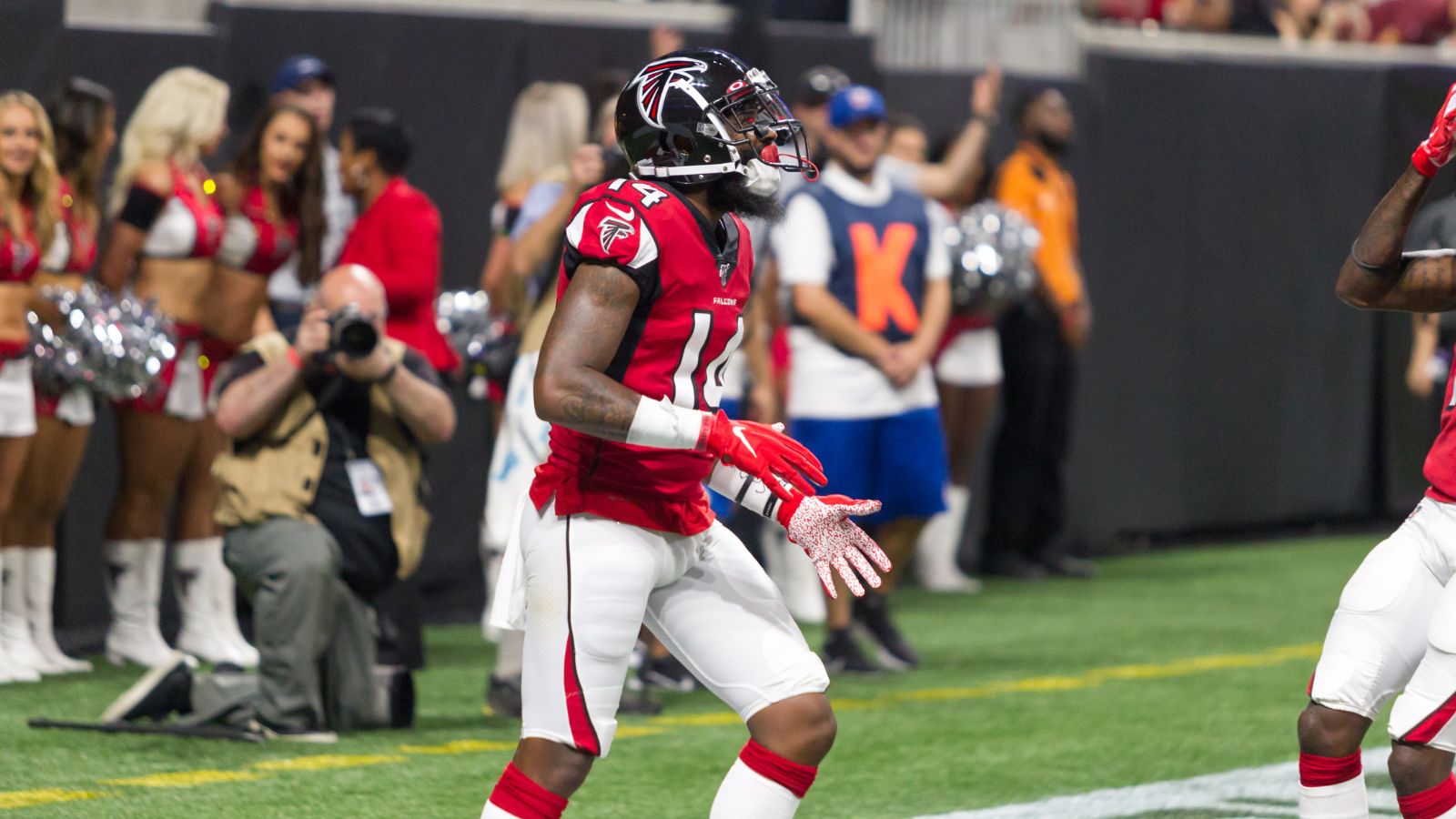
Atlanta entered 2026 hoping its unusual quarterback arrangement would provide options. Instead, injuries have turned depth into uncertainty. Tua Tagovailoa started the opener after Michael Penix Jr. was ruled inactive while continuing his recovery from a knee injury. Atlanta then scored only 13 points in a 20-13 loss to Pittsburgh. By Week 2, Penix had again been ruled out, while Tagovailoa was listed doubtful because of an oblique injury, leaving Cooper Rush prominently involved in the conversation.
That is an uncomfortable place for a team trying to establish a new identity under head coach Kevin Stefanski. Even an effective rushing performance becomes harder to maximize when opponents have little reason to fear consistent downfield passing. Atlanta also entered Week 2 with injuries elsewhere, including cornerback Billy Bowman Jr. being ruled out and A.J. Terrell appearing on the injury report. September instability does not automatically ruin a season, but uncertainty at football’s most important position can quickly become a defining issue.
Cleveland Browns — The Opener Looked Like More Than a Bad Day
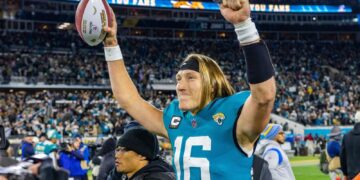
Few teams produced a more concerning opening result than Cleveland. Jacksonville defeated the Browns 34-10, continuing the Jaguars’ late-2025 momentum while exposing Cleveland’s inability to keep pace offensively. The Browns managed only 10 points, and their protection situation was already compromised by injuries along the offensive line. Guard Teven Jenkins was unavailable in Week 1 and remained out entering the second game, adding another problem to an offense that desperately needs stability.
Cleveland also cannot dismiss the result as a narrow loss decided by an unlucky turnover or late field goal. The 24-point margin showed how quickly the game moved beyond reach once Jacksonville found a rhythm. That matters for a team whose offense entered the season carrying substantial questions. One loss never determines an NFL year, but getting overwhelmed immediately puts more pressure on every subsequent close game. If the Browns cannot protect consistently or generate more explosive offense, their margin for error may already be shrinking dramatically.
Tennessee Titans — The Offense Still Looks Too Easy to Defend
Tennessee’s 23-10 loss to the Jets raised familiar questions about whether the offense can consistently create manageable situations for quarterback Cam Ward. Ward completed 19 of 32 passes for only 140 yards, averaging 4.4 yards per attempt, while taking three sacks. The Jets outgained Tennessee by 172 total yards, their largest Week 1 yardage advantage since 2014. Tennessee struggled to stretch the field, sustain drives and force New York away from the type of run-focused game plan it preferred.
The larger concern is that opponents may not have to take many risks against this offense. New York was able to build its attack around Breece Hall and a heavy under-center rushing approach, keeping pressure away from its own quarterback while forcing Tennessee to chase the game. Young quarterbacks need help from protection, field position and a dependable running game. When those elements disappear simultaneously, development can become survival. If Tennessee continues producing short possessions and modest passing numbers, its defense will eventually wear down too.
Denver Broncos — Expectations Make the Opener Look Worse
Denver was not supposed to look like a rebuilding team. The Broncos entered 2026 after winning the AFC West the previous season, only to absorb a 31-10 defeat against Kansas City. Bo Nix finished 17 of 28 for 131 yards, threw an interception, took four sacks and fumbled three times, losing one. Denver also missed 28 tackles according to Next Gen Stats, an extraordinary number for a defense expected to remain one of the roster’s strengths.
The concern therefore goes far beyond Nix. Denver’s offensive line struggled, receivers contributed costly mistakes and the defense was repeatedly beaten in space. New play-caller Davis Webb also drew scrutiny after an offense with considerable talent failed to establish balance. A veteran contender can recover from one ugly night, particularly at Arrowhead Stadium, but Denver’s standards are different now. This roster was assembled to compete deep into January. When nearly every phase looks disorganized at once, the response over the next few games becomes extremely important.
Los Angeles Rams — Their Super-Team Start Became a Nightmare
The Rams entered the season carrying enormous expectations after assembling a star-heavy roster. Their opening trip to Australia could hardly have gone worse. San Francisco defeated Los Angeles 27-7, scoring the final 24 points while turning what was supposed to be a showcase into a one-sided division loss. The Rams’ problems intensified days later when star pass rusher Myles Garrett underwent knee surgery and was placed on injured reserve, guaranteeing he would miss at least four games.
Garrett’s absence dramatically changes a defense built around creating impossible protection decisions. Aaron Donald is preparing to return after coming out of retirement, but expecting him to immediately compensate for losing Garrett would be ambitious. Los Angeles also entered its second game monitoring Puka Nacua’s hip injury. The schedule does not provide much breathing room, either, with Denver, Philadelphia and Buffalo among the upcoming opponents. A roster designed to chase a championship suddenly faces significant pressure simply to stabilize before the season begins moving too quickly.
Miami Dolphins — Thirteen Points Is a Rough Starting Point
Miami’s 27-13 loss to Las Vegas immediately revived questions about an offense that needs to generate explosive plays to compensate for weaknesses elsewhere on the roster. The Dolphins failed to score in either the first or fourth quarter and never seriously threatened after Las Vegas built control of the game. Raiders running back Ashton Jeanty accumulated 147 scrimmage yards, including 102 rushing yards, showing how difficult life can become for Miami when an opponent controls the pace.
The Dolphins also finished the preseason 0-3, although preseason results themselves carry little predictive value. What matters more is that the regular-season opener did not provide evidence of an immediate reset. Miami’s identity has traditionally depended on creating speed, spacing and stress for opposing defenses. Scoring only 13 points places enormous pressure on a defense that may already face long stretches on the field. If the offense cannot return to generating chunk plays, Miami could spend much of the season trying to win games in ways this roster was not constructed to handle.
Indianapolis Colts — The Losing Streak Is Becoming Hard to Ignore
Indianapolis opened 2026 with a 41-23 home loss to Baltimore, and the final score was not particularly misleading. The Ravens scored 31 points before halftime, forcing the Colts into a game script they never wanted. Indianapolis did receive another productive performance from Jonathan Taylor, who recorded 121 scrimmage yards, including 98 rushing yards and two touchdowns. It was his 14th career game with at least 100 scrimmage yards and two rushing scores, tying Edgerrin James for the franchise record.
Yet even that level of production was nowhere near enough. Indianapolis entered Week 2 having lost eight consecutive games dating back to Week 12 of the 2025 season, the NFL’s longest active losing streak at that point. Baltimore also ran for 202 yards and four touchdowns in the opener. That combination should be alarming. A strong rushing offense can keep a team competitive, but it cannot consistently erase defensive breakdowns or large early deficits. Indianapolis needs evidence that its slide has actually ended.
New England Patriots — Drake Maye Cannot Repeat That Finish
New England controlled much of its opener against Seattle and carried a 10-0 lead into the second half. Then the game unraveled. Drake Maye threw interceptions on each of the Patriots’ final three possessions, allowing Seattle to escape with a 13-10 victory despite losing starting quarterback Sam Darnold after only five offensive plays. Maye later acknowledged that impatience contributed to the mistakes, a revealing assessment from a quarterback expected to lead a legitimate contender.
The Patriots have invested aggressively around Maye, including acquiring A.J. Brown, so the expectations are substantially higher than simply showing gradual improvement. Brown’s injury absence in the opener did not help, and New England also began the season without running back TreVeyon Henderson. Still, championship-calibre teams generally finish games they control against opponents forced to use a backup quarterback. Maye has already demonstrated high-end ability. The worry is whether New England’s offense can remain disciplined when games become tight and opponents force the young quarterback to patiently take what is available.
Green Bay Packers — The Collapse Looked Uncomfortably Familiar
Green Bay led Minnesota 22-10 late in the third quarter and appeared positioned to begin the year with an important division victory. Instead, the Vikings scored the game’s final 29 points and won 39-22. Even more concerning was the way Green Bay unraveled. Jordan Love was pressured relentlessly, the offensive line repeatedly failed to handle Minnesota’s blitz packages, and turnovers accelerated a collapse that closely resembled painful losses from the previous season.
The protection numbers were striking. Packers offensive coordinator Adam Stenavich said Love was hit 18 times, while Minnesota generated pressure on 54.3% of his dropbacks, the highest rate in the league after Week 1 according to TruMedia. Green Bay has now repeatedly squandered double-digit second-half leads against NFC North opponents across meaningful games. Talent is not the question. The Packers have plenty. The concern is whether protection errors, poor responses to pressure and late-game volatility have become structural problems rather than occasional mistakes. That distinction could determine the entire season.
Los Angeles Chargers — The New Offense Immediately Stumbled
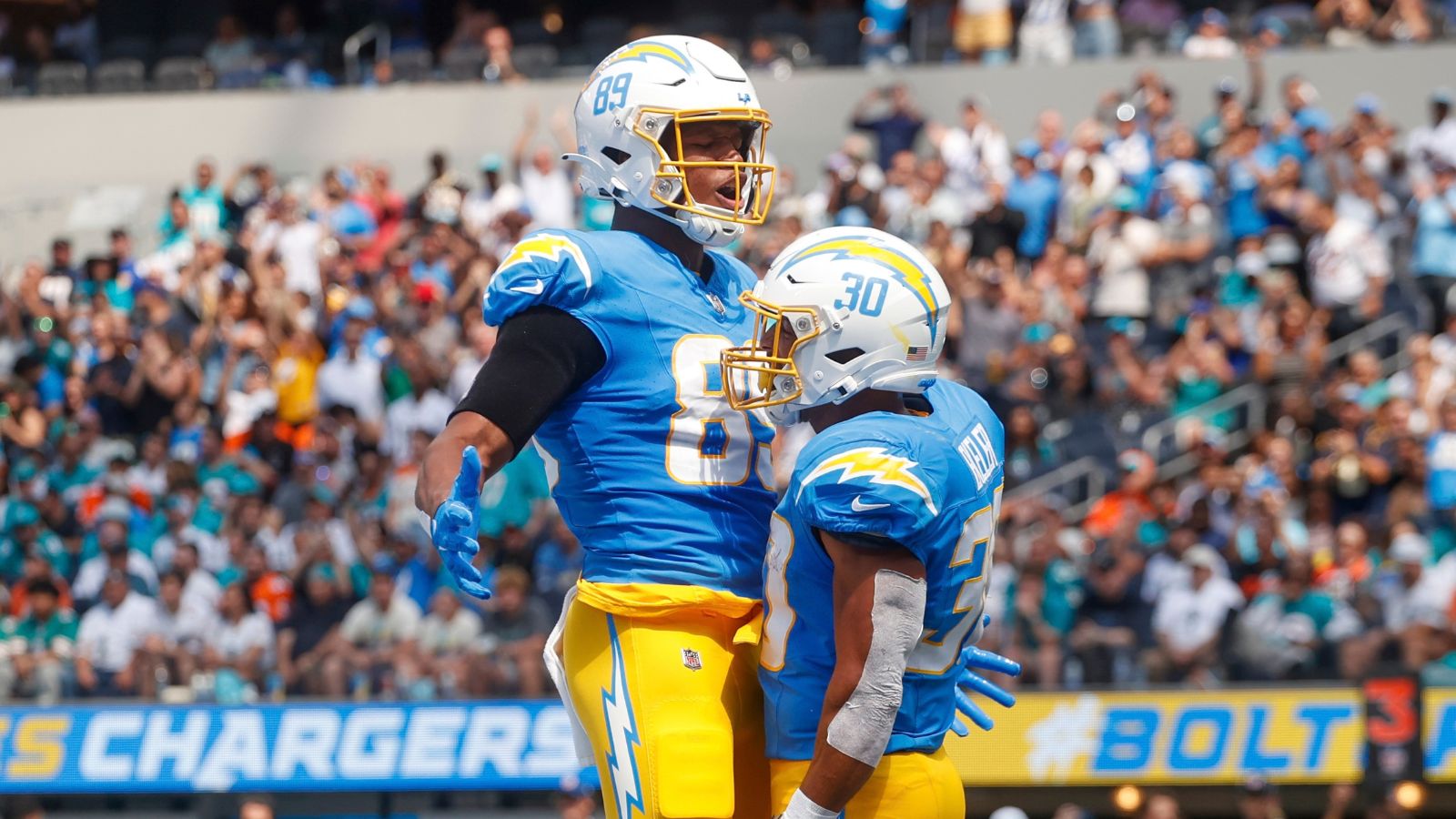
The Chargers hired Mike McDaniel to modernize an offense built around Justin Herbert. Their first regular-season test produced only 14 points. Arizona, coming off a difficult 2025 season, went into SoFi Stadium and won 26-14. Herbert was sacked three times and threw an interception, while the Chargers produced only 81 rushing yards. For a unit expected to become more creative and explosive, the debut instead looked disjointed and surprisingly easy to disrupt.
That does not mean McDaniel’s system is destined to fail. Offensive overhauls often require time. The problem is that Los Angeles competes in a division where Kansas City, Denver and Las Vegas all have realistic ambitions, making early dropped games especially expensive. Head coach Jim Harbaugh acknowledged there was plenty to correct after the opener. The Chargers still possess a franchise quarterback and considerable talent, but those advantages matter only if Herbert receives enough protection and the running game prevents defenses from attacking predictable passing situations. Week 1 offered very little reassurance on either front.
Houston Texans — The Defense Gave Josh Allen Too Much Comfort
Houston entered the season with a defense capable of making almost any quarterback uncomfortable. Josh Allen instead looked exceptionally comfortable in Buffalo’s 36-31 victory. The Texans blitzed on only 18.8% of Allen’s dropbacks. On plays when Houston did not blitz, Buffalo produced 287 passing yards, two touchdowns and a 144.7 passer rating. For a team built partly around defensive dominance, allowing that level of efficiency without creating more disruption is difficult to dismiss.
Houston still scored 31 points, and David Montgomery contributed three scrimmage touchdowns, showing the offense can provide support. That makes the defensive performance even more frustrating. The Texans did enough offensively to win plenty of games, yet their supposed strength could not produce the decisive stops. Buffalo is an elite opponent, so context matters, but Houston expects to beat elite opponents eventually. If the four-man rush cannot consistently affect quarterbacks and the coaching staff has to blitz more aggressively, the entire structure of the defense may need adjustment.
Dallas Cowboys — The Defensive Rebuild Failed Its First Test
Dallas spent the offseason reshaping its defense under new coordinator Christian Parker. The first performance produced many of the same uncomfortable feelings. The Giants defeated Dallas 28-20 as communication breakdowns repeatedly appeared, particularly late in the game. Parker later described the performance as poor and emphasized that the mistakes had to be corrected immediately. For a team already trying to rebound from previous disappointment, that was hardly the debut envisioned for the new system.
Dak Prescott also contributed a damaging interception while attempting to throw the ball away, giving New York momentum before halftime. Still, the larger concern was the defense’s inability to consistently control a Giants offense beginning a new era under John Harbaugh. Dallas invested heavily in its front, including Quinnen Williams, and expected the defense to become more dependable. One bad performance can be repaired. Repeated communication failures are more troublesome because they produce uncontested opportunities regardless of talent. The Cowboys cannot afford to spend September learning basic assignments while divisional rivals pull away.
Tampa Bay Buccaneers — Turnovers Can Undo Everything Else
Tampa Bay scored 27 points in Cincinnati and still walked away with a 33-27 loss because the Buccaneers repeatedly gave the Bengals extra possessions. Cincinnati forced four turnovers, including a Baker Mayfield fumble returned 27 yards for a touchdown. Another Mayfield fumble occurred just short of the goal line, preventing Tampa Bay from scoring and helping create a dramatic swing in a close game. Mayfield ultimately lost three fumbles despite otherwise moving the offense effectively.
That is the frustrating part for Tampa Bay. The Buccaneers demonstrated that they could generate offense against a Cincinnati roster expected to contend. Bucky Irving produced 93 yards from scrimmage on only 15 touches, and Tampa Bay remained competitive despite repeatedly giving the ball away. The warning is straightforward: even talented teams cannot routinely survive three or four turnovers. Mayfield’s aggressive style has long been part of what makes him effective, but extending plays must not become an invitation for defenders to attack the football. Tampa’s ceiling remains high if the giveaways are corrected quickly.
New Orleans Saints — A Great Comeback Still Ended With a Loss
New Orleans deserves credit for its resilience in Detroit. The Saints erased a 21-point deficit, forced overtime and nearly stole the game before losing 31-30 after an unsuccessful two-point attempt. Tyler Shough threw for 410 yards and three touchdowns on 35-of-56 passing, showing the Saints have more offensive upside than many expected. Unfortunately, he also threw two interceptions, lost a fumble and took five sacks for 32 yards.
That combination captures the concern surrounding New Orleans. The offense can produce dramatic stretches, but it may have to play an enormous number of snaps and accept substantial risk to generate enough points. Shough attempted 56 passes in his first game of the season, a workload that is difficult to sustain. The Saints also entered Week 2 with Chris Olave and Chase Young carrying injury designations. Losing an overtime thriller on the road is hardly catastrophic, yet repeatedly requiring 400-yard passing performances just to remain competitive would create a very narrow pathway to consistent victories.
Washington Commanders — Close Is Not Enough in the NFC East
Washington came within two points of Philadelphia, losing 24-22 on the road, so the opener contained plenty of encouraging moments. The defense looked noticeably more competitive than the unit that struggled badly in 2025, and Jayden Daniels avoided turnovers while throwing two touchdown passes. Yet Daniels finished with only 164 passing yards on 34 attempts, an average of 4.8 yards per attempt. Washington moved the ball, but explosive passing opportunities were limited.
That matters because the NFC East may not offer many comfortable games. Philadelphia remains formidable, the Giants started strongly and Dallas still has significant offensive talent. Washington cannot rely indefinitely on close losses being interpreted as progress. Daniels’ health is especially important after an injury-shortened 2025 season, and the Commanders need to find ways to create offense without requiring him to manufacture everything with his arm and legs. The Week 1 performance suggested Washington can compete with Philadelphia. The next challenge is proving it can consistently finish those games rather than merely making contenders uncomfortable.
Detroit Lions — The Defense Has Allowed 71 Points in Two Games
Detroit escaped Week 1 with a wild 31-30 overtime victory over New Orleans, but the defensive problems were obvious even in victory. Five days later, Buffalo made them impossible to ignore. The Bills scored 41 points and accumulated 446 yards in a 41-31 win, dropping Detroit to 1-1. Josh Allen accounted for five touchdowns as Buffalo repeatedly exploited coverage and communication problems in a defense that struggled badly after halftime against the Saints as well.
Through two games, the Lions have surrendered 71 points. Their offense remains dangerous enough to win shootouts, particularly with Jared Goff, Jahmyr Gibbs and Amon-Ra St. Brown, but requiring 30-plus points every week is a difficult formula. Detroit also entered the Buffalo game missing multiple offensive linemen, increasing pressure on a roster already dealing with defensive instability. The Lions have enough firepower to recover quickly, yet the secondary and communication issues need immediate attention. Otherwise, every game could become an exhausting contest decided by whichever offense possesses the ball last.
Pittsburgh Steelers — The Defense Hid an Inefficient Offense
Pittsburgh beat Atlanta 20-13, but the scoreboard disguised how little the offense accomplished. The Steelers produced only 264 total yards, converted three of 13 third downs and generated 15 first downs. Their rushing attack averaged just 2.8 yards per carry. Aaron Rodgers completed most of his short throws but went 0-for-6 on passes traveling at least 20 yards through the air, while DK Metcalf caught only four of 10 targets for 40 yards.
The difference was T.J. Watt. He recorded two sacks and returned an interception 35 yards for the first pick-six of his career, providing the game-changing touchdown Pittsburgh’s offense could not manufacture consistently. Watt can absolutely win games with individual brilliance, but asking the defense to create touchdowns whenever the offense stalls is unsustainable. Pittsburgh’s new offensive direction under Mike McCarthy still has time to develop, and Rodgers showed he can efficiently distribute underneath. The worry is whether the Steelers possess enough rushing efficiency and explosive passing ability to score when defensive heroics do not arrive.
Philadelphia Eagles — Winning Did Not Hide the Protection Problems
Philadelphia began the season with a 24-22 victory over Washington, but the performance exposed issues that stronger opponents will try to exploit. The offensive line struggled to identify and handle the Commanders’ pressure packages, allowing free runners into the backfield and making the offense look far less comfortable than expected. The Eagles survived because they generated enough big plays, but the overall operation lacked the controlled physicality that has defined Philadelphia’s best teams.
The situation became more concerning when three-time Pro Bowl guard Landon Dickerson acknowledged he had been playing through a knee problem and was subsequently placed on injured reserve. Dickerson described himself as a liability in the opener, an unusually candid admission from one of the line’s core veterans. Philadelphia has developed offensive linemen extremely well, so there are reasons for confidence in the replacements. Still, an offense built around Jalen Hurts, a powerful running game and dominant protection loses part of its identity when interior pressure arrives immediately. Winning Week 1 bought time, not certainty.
Seattle Seahawks — The Starting Quarterback Is Already Hurt
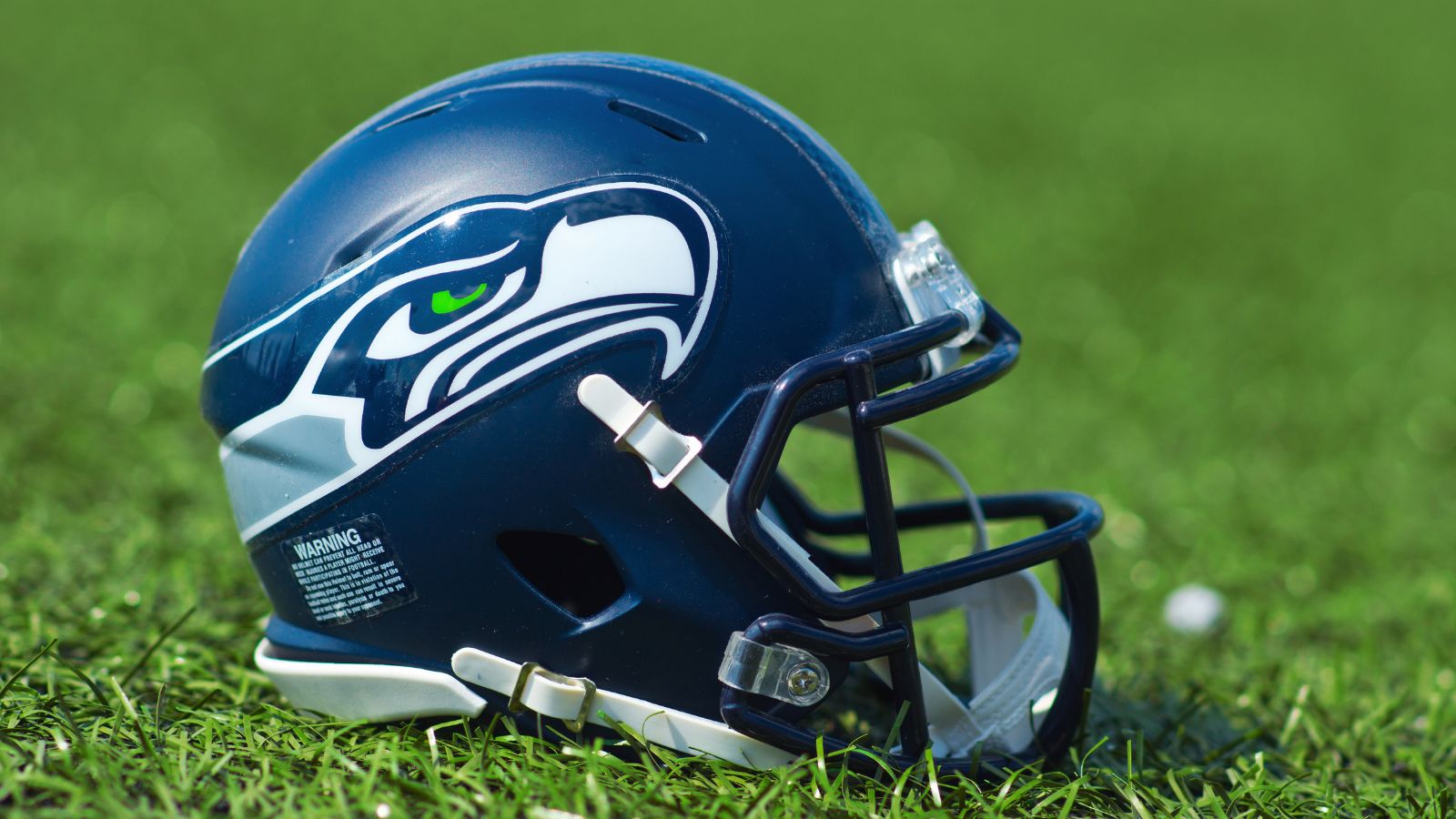
Seattle won its opener 13-10 against New England, but Sam Darnold lasted only five offensive plays before suffering what the team later described as an unusual soft-tissue injury involving his glute. Darnold was ruled out for Week 2, forcing Drew Lock into the starting role. The Seahawks do not expect Darnold to require injured reserve, which is encouraging, but quarterback injuries are always significant for a team defending a championship-level standard.
Lock deserves considerable credit for the opener. He completed 16 of 22 passes for 187 yards, one touchdown and a 113.3 passer rating while leading Seattle on three second-half scoring drives. That performance demonstrated why the Seahawks are comfortable with him temporarily. The concern is what happens if temporary becomes extended. Seattle’s upcoming schedule includes division games and opponents capable of forcing the offense to score more than 13 points. A strong defense can provide protection for a backup quarterback, but the Seahawks’ margin for error becomes considerably smaller until Darnold is fully healthy.