







Every NHL season produces a handful of players who make the jump from promising to unavoidable. Sometimes the warning signs are obvious: rising ice time, a dominant playoff run or a rookie season that already looks like a preview of something much bigger. Other breakthroughs arrive when a roster change suddenly puts a talented young player beside elite linemates or on a first power-play unit.
The 2026–27 season offers an unusually deep group of candidates. Some are teenagers preparing for their first full NHL schedules, while others have spent several seasons building toward a larger role. These 20 players have the combination of production, opportunity and underlying talent to turn an encouraging trajectory into genuine NHL stardom.
Will Smith — San Jose Sharks

Will Smith already demonstrated what happens when opportunity meets chemistry. The San Jose forward produced 59 points in only 69 games during his second NHL season, including 24 goals and 35 assists. His workload increased considerably from his rookie campaign, and his partnership with Macklin Celebrini became one of the most productive young combinations in hockey. Smith and Celebrini factored on the same goal 47 times, giving San Jose something its rebuild desperately needed: a young scoring duo capable of driving offence rather than merely surviving NHL minutes.
The next step could be substantial. Smith generated strong shot-quality numbers from the middle of the offensive zone and became a meaningful contributor on the power play. With Celebrini coming off a 115-point season, opponents cannot simply build their entire defensive plan around Smith. That creates room for the 21-year-old to attack softer matchups, find space away from the puck and potentially push well beyond last season’s scoring pace. A healthy full season could transform him from impressive young Shark into a nationally recognized offensive star.
Ivan Demidov — Montreal Canadiens

Ivan Demidov needed only one full NHL season to establish himself as one of Montreal’s most important offensive players. He led all rookies with 62 points in 82 games, recording 19 goals and 43 assists while also topping first-year players in power-play points. Demidov then added nine points during Montreal’s run to the Eastern Conference Final. That production came despite averaging only 15:30 of ice time, an important detail when considering how much room remains for his numbers to grow.
Montreal clearly views him as a foundational piece, signing him to a long-term extension after his rookie season. The intriguing question is what happens when Demidov receives more responsibility. His vision makes him dangerous with skilled finishers, while his ability to create controlled possessions gives the Canadiens another offensive engine beyond their established stars. If his ice time climbs and his power-play role expands, the statistical leap could be dramatic. A jump from a 62-point rookie season toward the NHL’s upper offensive tier would make his emergence difficult to overlook.
Beckett Sennecke — Anaheim Ducks

Beckett Sennecke’s first NHL season looked remarkably polished for a 20-year-old. The Anaheim winger finished with 60 points, including 23 goals, while playing all 82 games. He tied for the rookie lead in goals, finished second among rookies in scoring and led the entire freshman class with 46 even-strength points. Those numbers are especially encouraging because they were not built entirely on favourable special-teams deployment; Sennecke was creating offence during the hardest portion of the game.
Anaheim’s improving young core gives him an ideal environment for another leap. Leo Carlsson, Cutter Gauthier and Sennecke give the Ducks multiple young attackers capable of forcing opponents to defend several dangerous lines and combinations. Sennecke also put 197 shots on goal as a rookie, suggesting the scoring chances should continue arriving. More power-play production represents the clearest pathway to another level. If his even-strength game remains this effective while his special-teams output grows, a 70-point season could quickly move him into the NHL’s broader star conversation.
Jimmy Snuggerud — St. Louis Blues

Jimmy Snuggerud’s final months of 2025–26 provided one of the clearest breakout signals anywhere in the league. He finished the season with 51 points in 70 games, but the full-season total hides how quickly his game developed. From late December onward, Snuggerud led all NHL rookies with 16 goals, 24 assists and 40 points across 44 games. After the Olympic break, he was even better, producing 27 points in 25 contests while posting a plus-21 rating.
That surge matters because St. Louis appears prepared to keep him in a major offensive role. Snuggerud has developed chemistry with Robert Thomas and Dylan Holloway, giving the Blues a young top-line option with scoring, size and an unusually heavy shot. NHL tracking data placed his hardest shot in the league’s upper percentiles among forwards. The combination of shot quality, established linemates and increasing confidence makes a substantial scoring jump plausible. Over an entire season, his late-year pace would look much more like star production than rookie promise.
Quinton Byfield — Los Angeles Kings

Quinton Byfield has spent several seasons progressing in stages, but the Kings’ changing roster may finally remove the biggest obstacle between him and a true breakout. Byfield set career highs with 24 goals, 180 shots and more than 20 minutes of average ice time in 2025–26. His overall total of 49 points was solid rather than spectacular, yet the numbers changed dramatically after Los Angeles acquired Artemi Panarin. Byfield produced 19 points, including 13 goals, over his final 24 regular-season games.
Anze Kopitar’s retirement now places even greater responsibility on the former No. 2 overall pick. Byfield is expected to begin the season centering Panarin and Adrian Kempe, two accomplished offensive wingers who can capitalize on his puck protection and speed. His 6-foot-5 frame makes that skating ability particularly difficult to contain through the neutral zone. If the late-season chemistry carries over, Byfield could finally combine his physical tools, increased shot volume and premium linemates into the kind of 30-goal campaign long anticipated from him.
Logan Stankoven — Carolina Hurricanes

Few players enter the season with more momentum than Logan Stankoven. His regular-season numbers were respectable — career highs of 21 goals and 44 points — before he became a different kind of threat during Carolina’s Stanley Cup run. Stankoven scored 11 goals in 19 playoff games, leading the Hurricanes, and finished the postseason with 16 points. He also scored seven times over his final eight regular-season games, meaning the postseason surge was an extension of a trend rather than an isolated hot streak.
Carolina now has evidence that Stankoven can thrive under intense playoff pressure while handling a central offensive role. His line with Jackson Blake and Taylor Hall combined for 55 points during the championship run, creating a second unit capable of attacking opponents rather than merely supporting Sebastian Aho’s group. Tracking data also showed Stankoven generating strong offensive-zone possession and shot-location results. With the 23-year-old established as Carolina’s No. 2 centre, a full season in that role could unlock production far beyond his previous career highs.
Jackson Blake — Carolina Hurricanes

Jackson Blake may be one of the easiest young stars to overlook because so many prominent names surround him in Carolina. His second NHL season nevertheless produced 53 points, including 22 goals and 31 assists in 81 games. Then the postseason arrived and Blake elevated his game dramatically. He recorded 20 points in 19 playoff games and led the entire 2026 Stanley Cup Playoffs with 18 even-strength points, an extraordinary performance for a player still early in his NHL development.
The Hurricanes do not need to manufacture a role for Blake; he has already earned one. Playing alongside Logan Stankoven gives Carolina a young tandem capable of developing together, while the team’s aggressive puck-possession system keeps skilled forwards involved in the offensive zone. Blake also scored 15 high-danger goals during the regular season, indicating that his offence was not built solely on low-percentage shooting from the perimeter. If he turns last spring’s playoff confidence into regular-season consistency, 2026–27 could be the year Blake becomes recognizable well beyond Carolina’s fan base.
Brandt Clarke — Los Angeles Kings

Brandt Clarke appears ready to inherit the kind of role that can change a young defenseman’s career. The 23-year-old played all 82 games last season and posted career highs across the board, finishing with eight goals, 32 assists and 40 points. He also blocked 185 shots, one of the highest totals in the league. Los Angeles rewarded that progress with a five-year contract, signalling that Clarke is no longer being treated merely as a talented prospect waiting behind veterans.
The largest opportunity comes on special teams. Clarke is expected to receive first-unit power-play work alongside players such as Artemi Panarin, Adrian Kempe and Quinton Byfield. He already generated 13 power-play points last season while averaging a little more than two minutes per game with the man advantage. Increased responsibility could sharply raise that total. Offensive defensemen often experience their biggest statistical jumps when they secure the top power-play quarterback role, and Clarke now has that opening. A move toward 50-plus points would place him among the league’s most productive young blueliners.
Zach Benson — Buffalo Sabres

Zach Benson’s third NHL season contained two very different stories. Early injuries and a lengthy goal drought slowed him, yet he eventually finished with career highs of 13 goals, 30 assists and 43 points in only 65 games. Beginning in December, he recorded 32 points over his final 48 regular-season appearances while posting an impressive plus-27 rating. Then Buffalo’s long-awaited return to the playoffs brought another step forward: Benson scored five goals and nine points in 13 postseason games.
Buffalo responded by signing the 21-year-old winger to a seven-year contract, making clear that he is expected to remain an important part of the team’s core. His opportunity could increase after Alex Tuch’s departure, and preseason projections have Benson in a prominent top-six role. He already excels at getting into dangerous scoring areas, ranking strongly in high-danger shot generation. If his regular-season ice time begins to resemble the larger workload he handled during the playoffs, Benson’s combination of playmaking, pressure and finishing could produce a major offensive jump.
Leo Carlsson — Anaheim Ducks

Leo Carlsson is already close to star territory, which makes his next step particularly fascinating. The Anaheim centre established career highs with 29 goals, 38 assists and 67 points in 70 games last season while helping the Ducks return to the playoffs. He added 11 points in 12 postseason games and led Anaheim in points per game during the regular season. His opening stretch was especially explosive, with 38 points in his first 29 games showing exactly what the ceiling can look like.
The Ducks made their belief in Carlsson unmistakable when they matched Philadelphia’s enormous five-year offer sheet during the offseason. The financial commitment creates expectations, but the hockey environment also gives Carlsson a strong chance to meet them. Anaheim now surrounds him with young scorers such as Cutter Gauthier and Beckett Sennecke, making it increasingly difficult for opponents to isolate one threat. If Carlsson remains healthy for something close to a full schedule, his existing scoring rate gives him a realistic route toward becoming one of the NHL’s highest-profile young centres.
Logan Cooley — Utah Mammoth

Logan Cooley’s 2025–26 season was interrupted before it could fully develop. The Utah centre scored 24 goals and 43 points in 54 games before a lower-body injury limited his regular-season schedule. Even so, he averaged roughly 0.80 points per game and contributed on both special-teams units, scoring six power-play goals and two short-handed goals. Earlier in his career, Cooley had already climbed from 44 points as a rookie to 65 in his second season, making his progression easy to identify.
Health is therefore the biggest variable rather than talent or opportunity. Cooley remains part of a skilled Utah core alongside Clayton Keller and Dylan Guenther, and his speed creates offence both through transition and once possession has been established. NHL.com has projected a significant scoring increase if he can stay on the ice. A healthy 84-game campaign would give Cooley the volume he lacked last season. With three NHL seasons of experience now behind him, the 22-year-old could be entering the stage where promising flashes become sustained top-line production.
Gavin McKenna — Toronto Maple Leafs

Few rookies will begin an NHL career under brighter lights than Gavin McKenna. Toronto selected the Whitehorse-born winger first overall in the 2026 NHL Draft after he produced 51 points in 35 games during his freshman season at Penn State. He ranked among the NCAA’s leading scorers despite being one of the youngest players in college hockey, building on a junior career that included a 129-point season and Canadian Hockey League Player of the Year honours.
The Maple Leafs offer an unusual advantage for a first overall pick: McKenna does not have to become the franchise’s primary offensive engine immediately. Toronto already has established stars, and NHL.com’s preseason analysis projects McKenna as a potential top-six winger who could play beside an experienced centre such as Auston Matthews or John Tavares. That environment could accelerate his transition because defenders cannot concentrate solely on the rookie. McKenna’s vision and playmaking have long been his defining traits, and premium linemates could convert those skills into immediate NHL production.
Porter Martone — Philadelphia Flyers

Porter Martone has already provided a compelling preview of what his first full NHL season could look like. After scoring 50 points in 35 games as a Michigan State freshman, the 6-foot-3 winger joined Philadelphia late last season and produced 10 points in his first nine regular-season games. He then added five points in 10 playoff contests and became the first teenager in NHL history to score the game-winning goal in each of his first two postseason appearances.
Philadelphia is preparing to give Martone substantially more responsibility. Preseason projections place him in the top six and on the power play, while one projected lineup has him skating with Trevor Zegras and Tyson Foerster. Martone’s physicality also separates him from many young scorers: he recorded 16 hits in nine regular-season games and another 33 in the playoffs. That combination of strength, finishing and puck protection should help him survive difficult matchups. If his short NHL audition scales over a full season, the Flyers may have a cornerstone power forward.
Anton Frondell — Chicago Blackhawks

Anton Frondell barely needed an adjustment period when he arrived in Chicago. The Swedish forward recorded nine points in 12 NHL games late last season after completing his campaign with Djurgarden. Producing that much offence at 18 placed him in rare company; NHL.com noted that only a small group of recent teenage players had managed at least nine points through their first 12 games. Frondell also fired 36 shots, showing that he was immediately willing to attack rather than defer.
His opportunity could become even larger at the beginning of 2026–27. With Connor Bedard recovering from shoulder surgery, Frondell could receive important centre minutes and offensive responsibility much earlier than originally expected. Chicago’s power play struggled last season, creating another opening for a young scorer who combines a dangerous release with strong offensive instincts. Patrick Kane’s return also gives the Blackhawks another veteran playmaker capable of making life easier for their younger forwards. A strong start could quickly transform Frondell from intriguing rookie into a major part of Chicago’s identity.
Cole Hutson — Washington Capitals

Cole Hutson’s NHL audition lasted only 14 games, but it contained enough offence to make the possibilities obvious. The Washington defenseman produced 10 points, including three goals and seven assists, with six of those points coming on the power play. Before turning professional, Hutson amassed 80 points in 74 games over two seasons at Boston University. His offensive instincts have therefore translated at every level, even though his smaller frame once caused him to last until the second round of the 2024 draft.
Washington can afford to develop Hutson gradually, but his skating and puck movement may accelerate the timeline. NHL tracking data recorded a maximum speed of 22.94 mph during his short NHL stint, placing him well above average among defensemen. He is expected to begin with manageable minutes and secondary power-play work, yet offensive defensemen capable of creating entries and manipulating coverage often force coaches to expand their roles. If Hutson becomes a regular special-teams weapon, his rookie season could develop much faster than a typical young blueliner’s.
Michael Misa — San Jose Sharks
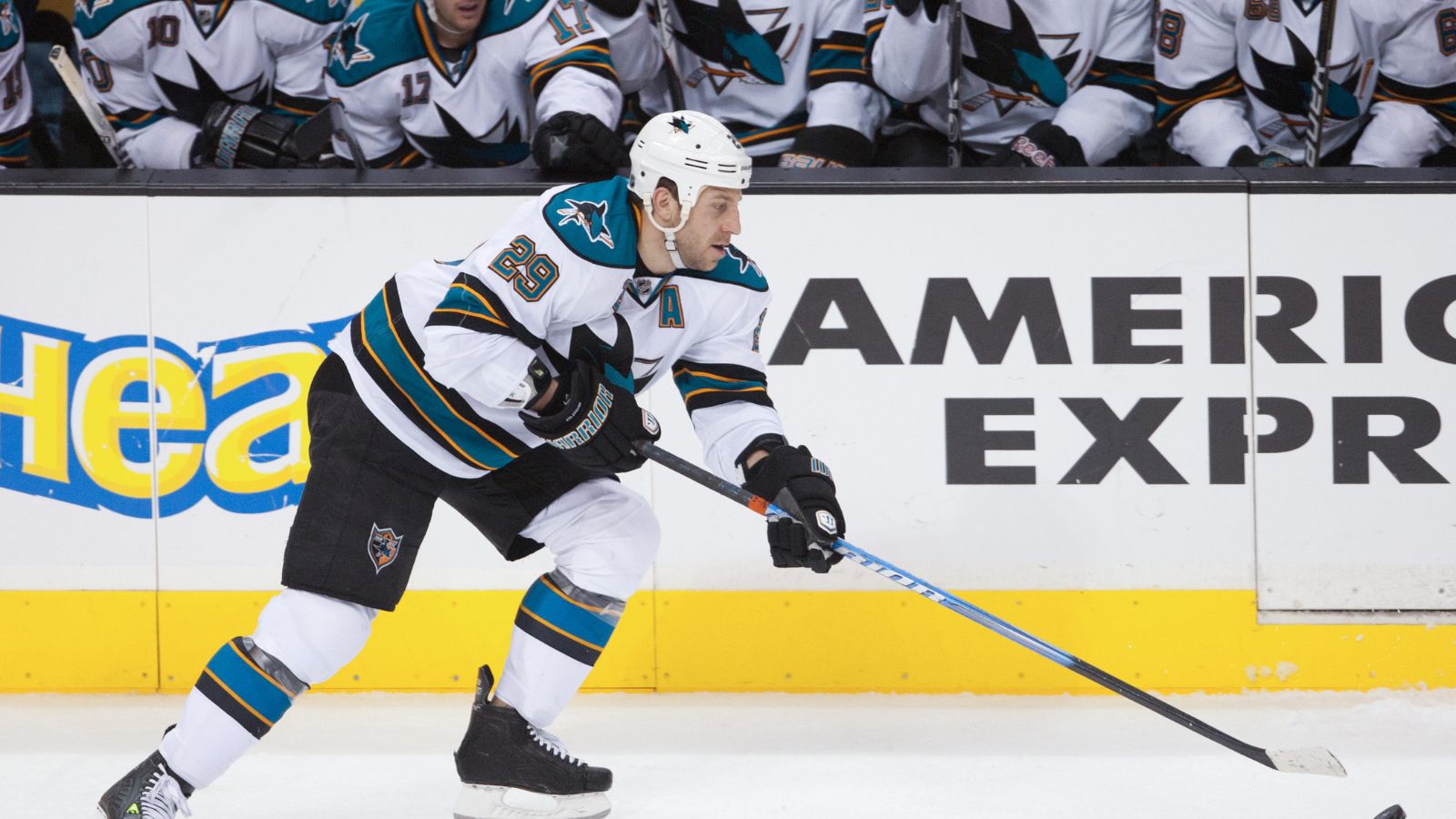
Michael Misa’s rookie year never developed into a full breakout, but the ending offered a reminder of why San Jose selected him second overall in 2025. Limited to 45 games, Misa finished with nine goals and 21 points. He closed the regular season with four points across his final four games while earning time on the Sharks’ top power-play unit with Macklin Celebrini and Will Smith. For a 19-year-old, that placement alone illustrates how highly San Jose regards his offensive ceiling.
Misa’s junior résumé remains spectacular. In his final OHL season, he produced 134 points, including 62 goals, and recorded at least one point in 60 of 65 games. The challenge now is converting that dominance into consistent NHL production. San Jose can place Misa deeper in the lineup because Celebrini already commands the toughest defensive attention, potentially creating more favourable matchups for the second unit. If Misa stays healthy and secures regular power-play work, the Sharks could suddenly possess three elite young offensive talents developing simultaneously.
Jesper Wallstedt — Minnesota Wild

Goaltenders rarely follow the same development curve as forwards, but Jesper Wallstedt may be approaching the point where potential turns into control of an NHL crease. In his first full season, the Minnesota goalie posted 18 wins, a 2.61 goals-against average and a .916 save percentage in 35 games. Among goaltenders who played at least 25 games, that save percentage ranked second in the NHL. He also recorded four shutouts and produced a quality start in nearly 70 percent of his starts.
The playoffs strengthened the argument. Wallstedt started 10 of Minnesota’s 11 postseason games and posted a .909 save percentage, while his high-danger save percentage led qualifying playoff goaltenders. Filip Gustavsson’s offseason hip surgery could give Wallstedt an unusually large workload early in 2026–27. That creates both pressure and opportunity. A strong opening month could shift Minnesota’s goaltending hierarchy for the entire season. Young goalies often need one sustained run to establish themselves, and Wallstedt now appears positioned to receive exactly that chance.
Matthew Schaefer — New York Islanders
Matthew Schaefer does not need a conventional breakout after one of the greatest teenage seasons ever produced by an NHL defenseman. At 18, the Islanders rookie scored 23 goals and 59 points while playing all 82 games. His 23 goals tied the NHL record for a rookie defenseman, and he averaged 24:41 of ice time — an extraordinary workload for a player his age. Schaefer became the youngest Calder Trophy winner in league history and received every first-place vote.
The question for 2026–27 is whether he moves from historic rookie to full-fledged NHL superstar. Schaefer already shoots frequently, quarterbacks special teams and plays enormous minutes, so there is no obvious deployment barrier holding back his production. Another year of physical development and experience could make him even more efficient in those situations. NHL.com has projected him among the league’s highest-scoring defensemen for the coming season. If he approaches or exceeds 70 points while continuing to handle top-pair responsibilities, the discussion surrounding him will move far beyond rookie records.
Alexander Nikishin — Carolina Hurricanes

Alexander Nikishin entered the NHL with a reputation as one of hockey’s most intriguing defense prospects and quickly showed why. He played 81 games as a rookie for Carolina, scoring 11 goals and 33 points while finishing plus-18. His goal total established a Hurricanes franchise record for a rookie defenseman, and his 33 points ranked second among first-year NHL blueliners. He also contributed physically, recording 132 hits and 94 blocked shots.
The exciting part is that Carolina did not need to push Nikishin into an oversized offensive role immediately. He averaged a little more than 18 minutes per game and still contributed at both ends of the rink. That leaves a clear route toward improvement if his ice time and special-teams involvement increase. Nikishin combines size with enough puck skill to create offence without abandoning the defensive elements Carolina values. Playing within a Stanley Cup-winning structure should also reduce the pressure to force plays. A second-year jump could establish him as one of the NHL’s premier young two-way defensemen.
Luke Hughes — New Jersey Devils
Luke Hughes has already shown high-end offensive ability, but his underlying skating and shooting numbers suggest another level remains available. NHL tracking data from last season placed him near the top of the league’s defensemen in maximum skating speed and repeated high-speed bursts. He also ranked strongly in mid-range shots, high-danger attempts and long-range shooting volume. Those numbers describe a defenseman who can generate offence in several different ways rather than relying exclusively on power-play assists.
New Jersey’s lineup gives Hughes access to elite attacking talent whenever he joins the rush. Jack Hughes, Jesper Bratt, Nico Hischier and Timo Meier can all create movement that opens lanes for an active defenseman. Luke underwent a shoulder procedure near the end of last season but was expected to be ready for training camp. The Devils still have veteran Dougie Hamilton, so power-play usage will remain an important variable. If Hughes earns a larger share of premium offensive minutes, his combination of speed, transition ability and shot creation could finally translate into a major statistical leap.