







The NHL rarely offers contenders the luxury of standing still. Championship windows close, expensive contracts age, young cores become expensive, and one disappointing spring can suddenly change the way an entire organization is viewed. Heading into 2026–27, several clubs are carrying expectations that extend well beyond simply reaching the playoffs.
Some are trying to capitalize on superstars in their primes. Others are attempting to squeeze another run from veteran cores, recover from shocking setbacks, or prove that recent postseason progress was not temporary. Toronto’s overhaul, Edmonton’s shrinking window around Connor McDavid, and Vegas’ return from another Stanley Cup Final capture different versions of the same urgency. These 18 NHL teams enter the new season with particularly compelling reasons to turn regular-season promise into meaningful wins when the pressure rises.
Toronto Maple Leafs — The Reboot Still Has a Win-Now Mandate
Toronto somehow managed to increase the pressure by missing the playoffs. The Maple Leafs finished 32-36-14 last season, last in the Atlantic Division, triggering a sweeping organizational overhaul. John Chayka became general manager, Jim Hiller took over behind the bench, and Toronto selected Gavin McKenna first overall. Sergei Bobrovsky, Darren Raddysh and several veteran forwards also arrived as management reshaped the roster rather than committing to a lengthy rebuild.
That distinction matters. Auston Matthews, William Nylander, John Tavares, Matthew Knies and Morgan Rielly remain part of a roster designed to become competitive immediately. NHL.com noted that ownership wanted a reboot after Toronto managed only two playoff-series victories in the previous 22 years, while Chayka explicitly described the goal as winning now. McKenna may represent the future, but Toronto is not treating 2026–27 as a developmental season. Another year outside serious playoff contention would make the makeover considerably harder to sell.
Edmonton Oilers — Connor McDavid Keeps the Clock Ticking

Few NHL organizations feel the passage of time quite like Edmonton. The Oilers reached consecutive Stanley Cup Finals before slipping badly in 2025–26, finishing 41-30-11 and losing to Anaheim in six games in the opening round. Management responded aggressively. Mike Babcock was hired as coach, Frederik Andersen arrived after winning the Cup with Carolina, the defence was reshaped, and longtime Oiler Darnell Nurse was traded.
Everything circles back to Connor McDavid. Edmonton’s captain is beginning the first season of a two-year contract carrying a $12.5 million average annual value and can become an unrestricted free agent following 2027–28. That does not make his departure inevitable, but it makes wasted seasons increasingly costly. Edmonton already knows this core can reach June; it has also learned how painful coming up short can be. After two Final defeats followed by a first-round exit, merely producing another strong regular season would no longer feel like meaningful progress.
Vegas Golden Knights — Getting Back to the Final Raised the Standard Again

Vegas has never operated like a franchise interested in gradual progress. The Golden Knights reached the 2026 Stanley Cup Final before losing to Carolina in six games, adding another deep run to a remarkably successful first decade that already includes the 2023 championship. Through nine seasons, Vegas had made the playoffs eight times and accumulated more postseason wins and series victories than any other NHL team over that span.
Success has never stopped management from changing things. Bruce Cassidy was dismissed late last season, John Tortorella guided the club to within two victories of the Cup, and Ryan Craig now takes over despite never previously serving as an NHL head coach. Vegas also traded 37-goal scorer Pavel Dorofeyev to the Rangers. The roster still contains championship-level veterans and stars, meaning expectations have not softened. After coming that close, Vegas enters 2026–27 facing the familiar standard it created for itself: contend seriously, adapt quickly and keep the Stanley Cup within reach.
Dallas Stars — Years of Getting Close Have Created a Different Standard
Dallas does not need proof that its roster can compete with elite teams. It needs another opportunity to turn years of contention into a championship. The Stars reached the Western Conference Final in three consecutive seasons from 2023 through 2025, only to take a step backward last spring. They finished 50-20-12 but were eliminated by Minnesota in the first round, an abrupt ending for a club built to play deep into May.
The pieces remain substantial. Jason Robertson scored 45 goals and 96 points last season before signing a one-year, $12 million contract, while Wyatt Johnston, Mikko Rantanen, Roope Hintz and Jake Oettinger remain central to the core. Dallas ranked second in goals against per game and power-play percentage in 2025–26, evidence that the underlying team was far better than its playoff finish suggested. The uncomfortable question is no longer whether Dallas can become a contender. It is how many opportunities this group gets before repeatedly getting close starts feeling insufficient.
Tampa Bay Lightning — Four Straight First-Round Exits Cannot Be Ignored
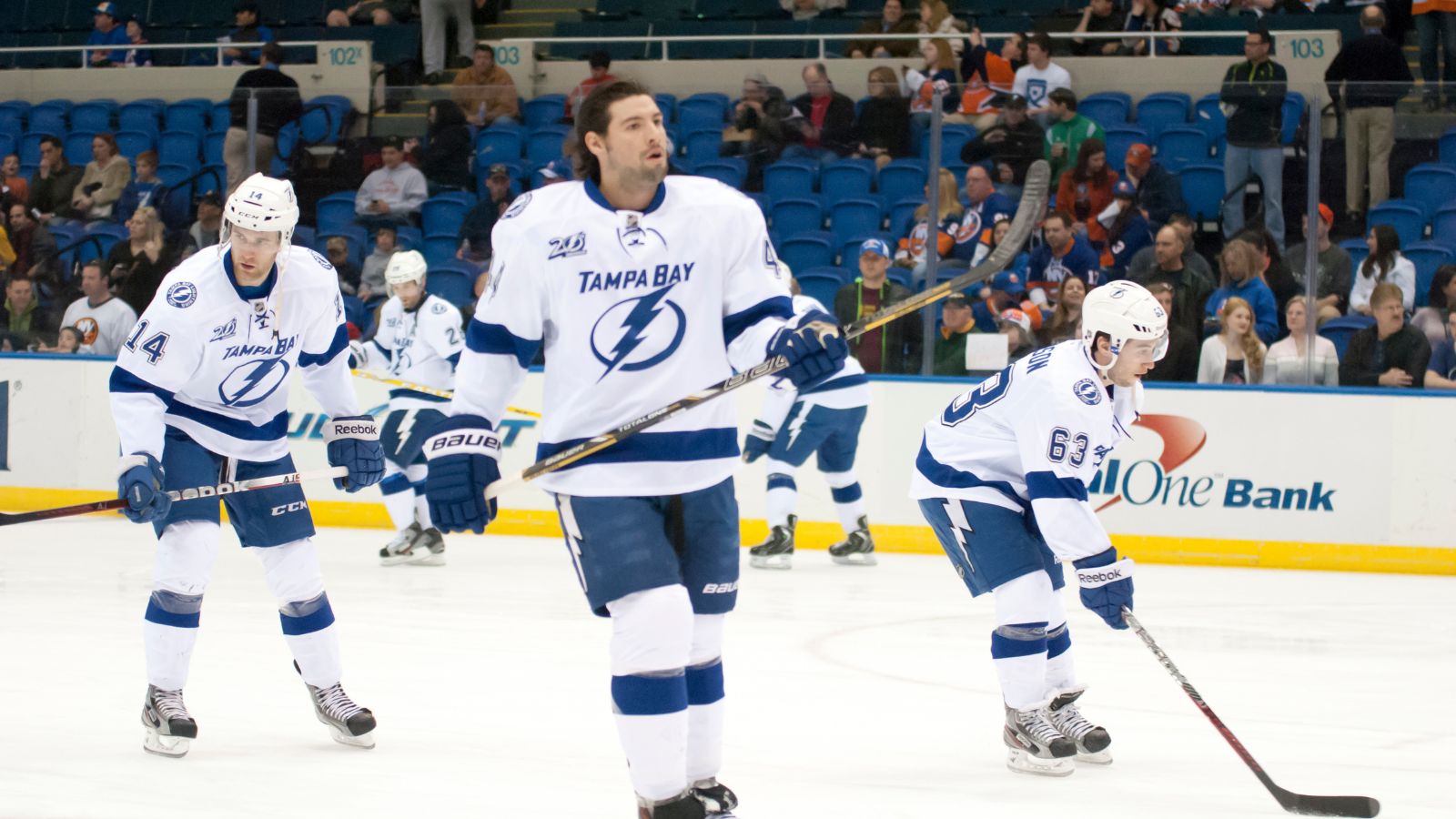
Tampa Bay remains one of the strangest cases in the league. The Lightning have continued playing like a contender during the regular season, yet their old postseason identity has disappeared. Tampa has been eliminated in the opening round four consecutive years and has not won a playoff series since 2022. That is a remarkable reversal for an organization that once reached three straight Stanley Cup Finals and won championships in 2020 and 2021.
Last season made the contrast even sharper. Nikita Kucherov won the Hart Trophy, Andrei Vasilevskiy captured the Vezina Trophy, and Jon Cooper earned the Jack Adams Award. Tampa still lost a seven-game first-round series against Montreal. Victor Hedman has openly acknowledged that four consecutive first-round exits are not good enough. The roster remains talented, but important pillars are getting older, including Hedman and newly signed 36-year-old John Carlson. Regular-season excellence is already established. Tampa’s season will ultimately be judged by whether it survives beyond April.
Colorado Avalanche — An Elite Core Cannot Waste Too Many Springs
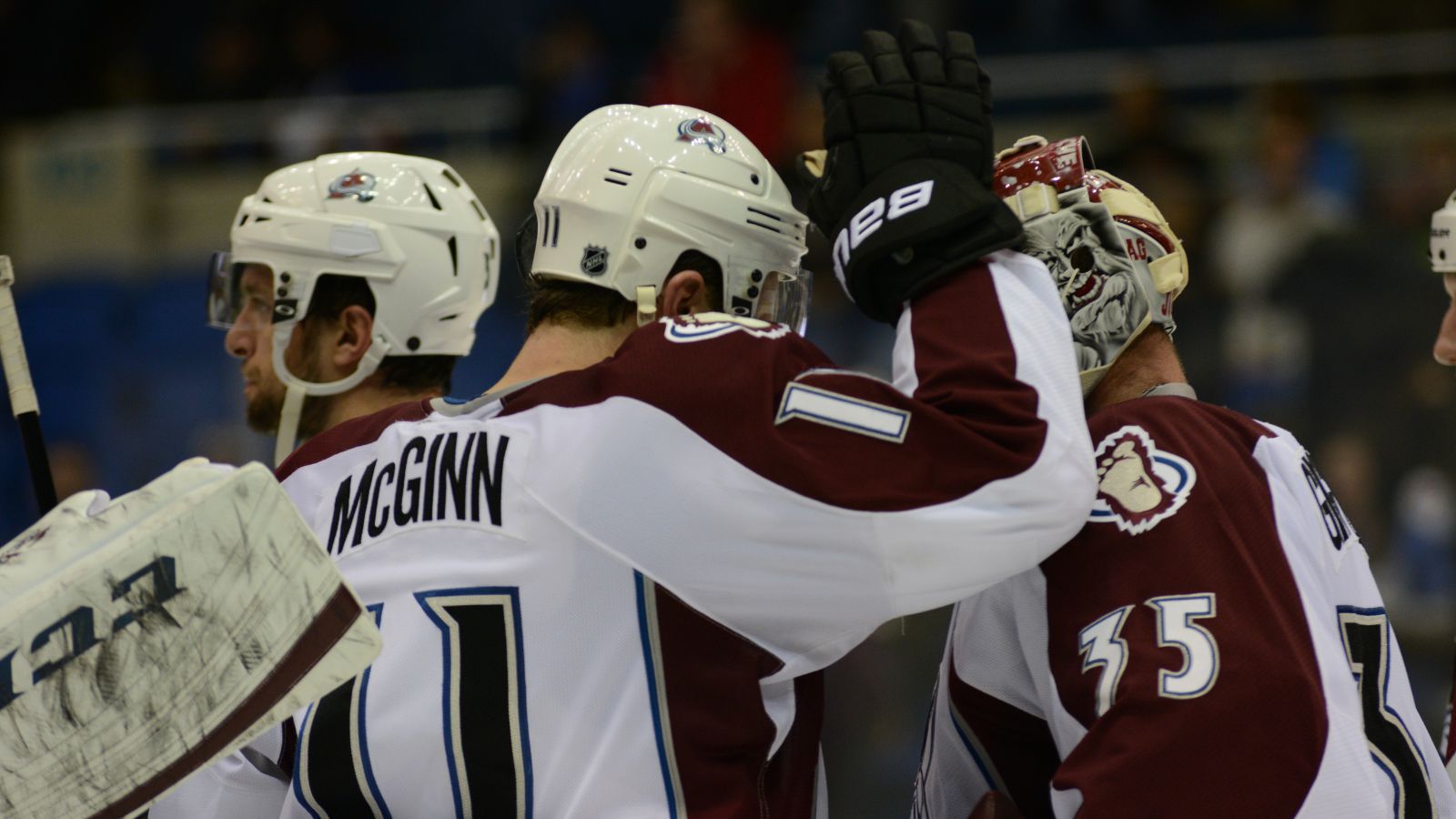
Colorado responded emphatically to consecutive first-round disappointments by producing the NHL’s best regular-season record in 2025–26. The Avalanche went 55-16-11, scored a league-leading 298 goals and allowed an NHL-low 197. Nathan MacKinnon scored 53 goals, while Cale Makar remained among the league’s premier defencemen. Colorado finally returned to the Western Conference Final, only to be swept by Vegas.
That outcome left Colorado in an unusual position: the club clearly proved it remains elite, but another season disappeared without a second championship for the MacKinnon-Makar era. Management refreshed the supporting cast with younger players including Fedor Svechkov and Zachary L’Heureux while keeping its foundational stars intact. The 2022 Cup means this group has already reached the summit, removing one kind of pressure. It creates another, however. With elite talent still performing at extraordinary levels, every postseason that ends short of another serious Cup run represents a valuable opportunity that cannot simply be recovered later.
New York Rangers — Another Miss Would Be Difficult to Explain Away
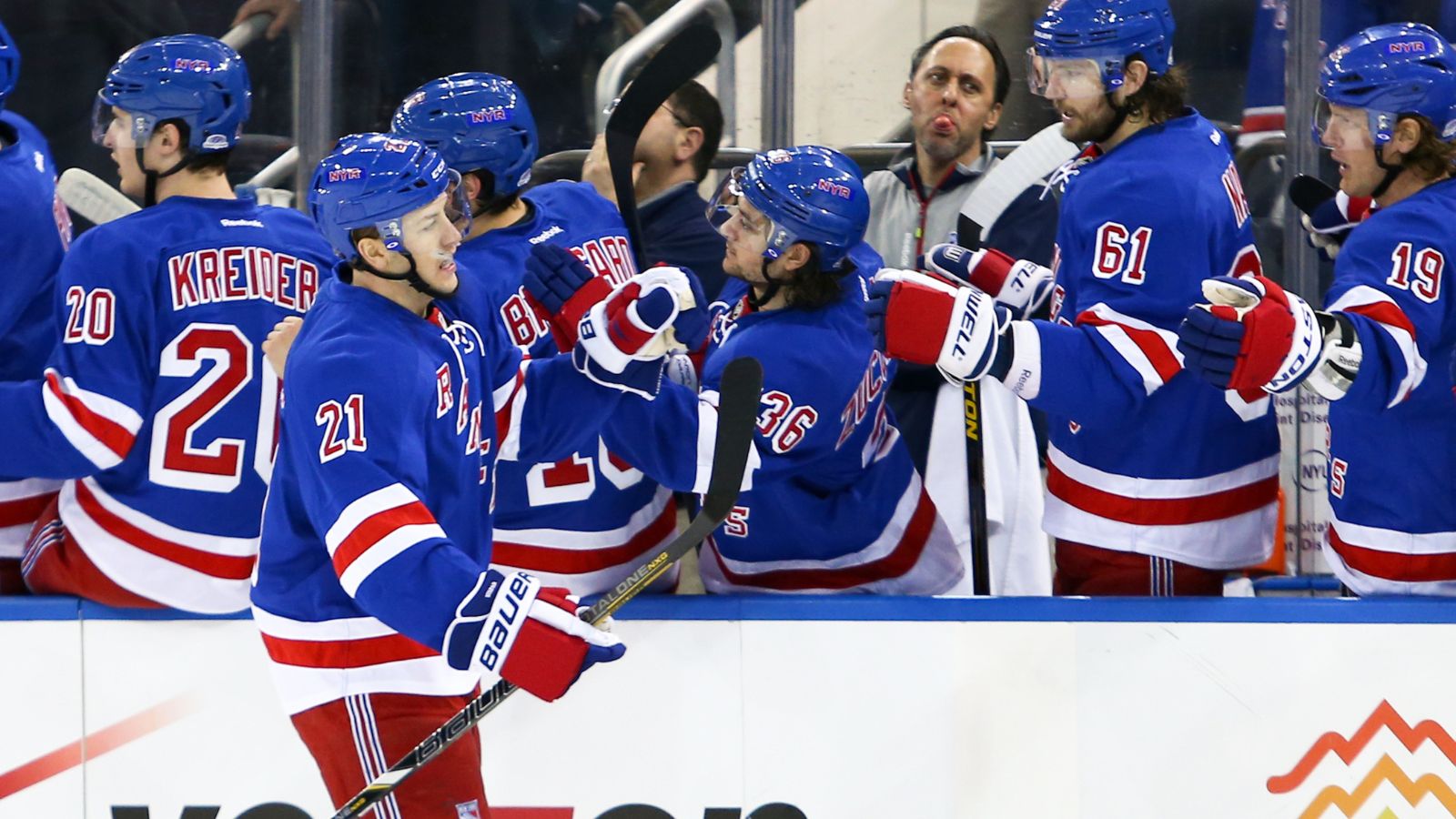
The Rangers finished last in the Eastern Conference at 34-39-9 in 2025–26, a stunning result for an organization that still possesses elite goaltending and several expensive veteran pieces. Management did not respond as though a long rebuild was necessary. New York instead acquired 37-goal scorer Pavel Dorofeyev, signed him to a seven-year, $77 million contract and added Sean Durzi and Marcus Pettersson to remake the defence.
Those moves place considerable responsibility on a roster still led by Igor Shesterkin, Adam Fox and Artemi Panarin. Coach Mike Sullivan has said the Rangers appear better on paper, but paper talent has not been the problem. New York now has to convert roster strength into consistency after missing the postseason in two of the past three seasons. Trading Vincent Trocheck also created new questions down the middle. A quick turnaround would make last season look like an aberration. Another spring outside the playoff picture would point toward a deeper problem with a core assembled to compete immediately.
Winnipeg Jets — A Trade Request Has Turned Urgency Into Uncertainty

Winnipeg’s fall from one season to the next was dramatic. The Jets went from winning the Presidents’ Trophy to finishing 35-35-12, seventh in the Central Division, and missing the playoffs for only the second time in nine seasons. That alone would produce pressure. The situation became considerably more complicated when Connor Hellebuyck publicly confirmed in August that he had requested a trade several months earlier.
Hellebuyck is not an interchangeable piece. He is a three-time Vezina Trophy winner who has been central to Winnipeg’s identity, and his uncertain future hangs over a roster that still contains Mark Scheifele, Kyle Connor and other established veterans. The Jets added Stuart Skinner as another goaltending option and insist they can return to the league’s upper tier. Doing so while the status of their franchise goalie remains unresolved will test the organization immediately. Winnipeg is trying to prove that one disastrous season did not end its competitive cycle just as questions about its most important player intensify.
Washington Capitals — An Aggressive Offseason Created Immediate Expectations

Washington did not behave like a team willing to wait. After missing the 2026 playoffs despite a 43-30-9 record, the Capitals aggressively upgraded the roster by acquiring Alex Tuch and Jordan Kyrou and signing Boone Jenner. Tuch arrived with an eight-year, $84 million contract, while the organization reinforced its defence and added scoring depth throughout the lineup.
Then Alex Ovechkin announced he would return for his 22nd NHL season. Suddenly, Washington’s direction became unmistakable. The Capitals are attempting to give their longtime captain another legitimate championship opportunity rather than easing into a transition period. Ovechkin entered the season with an NHL-record 929 goals, but his presence also makes the competitive timeline impossible to ignore. Washington already won the ultimate prize with him in 2018; this season is about whether an aggressively reconstructed roster can create one more meaningful run. When management spends heavily and a franchise icon returns at this stage of his career, patience naturally becomes scarce.
Pittsburgh Penguins — The Crosby-Malkin-Letang Era May Be Near Its Last Chapter

Pressure in Pittsburgh feels different because the franchise’s greatest modern core has already delivered three Stanley Cups. There is nothing left for Sidney Crosby, Evgeni Malkin and Kris Letang to prove historically. Yet that history is precisely why 2026–27 carries emotional weight. Malkin, now 40, signed a one-year contract after saying he definitely wanted to play one more season, creating the possibility that this is the trio’s final campaign together.
The remarkable part is that Pittsburgh’s stars remain productive. Malkin recorded 61 points in only 56 games last season, while Crosby collected 74 points in 68 games and extended his NHL record for point-per-game seasons to 21. This is not simply a ceremonial farewell tour. Pittsburgh still wants meaningful hockey around players capable of changing games. The Penguins cannot extend this era indefinitely, making every remaining chance unusually valuable. A playoff run would offer a fitting final chapter; another quiet ending would emphasize how quickly even legendary championship windows eventually close.
Florida Panthers — A One-Year Collapse Has Not Changed the Ambition
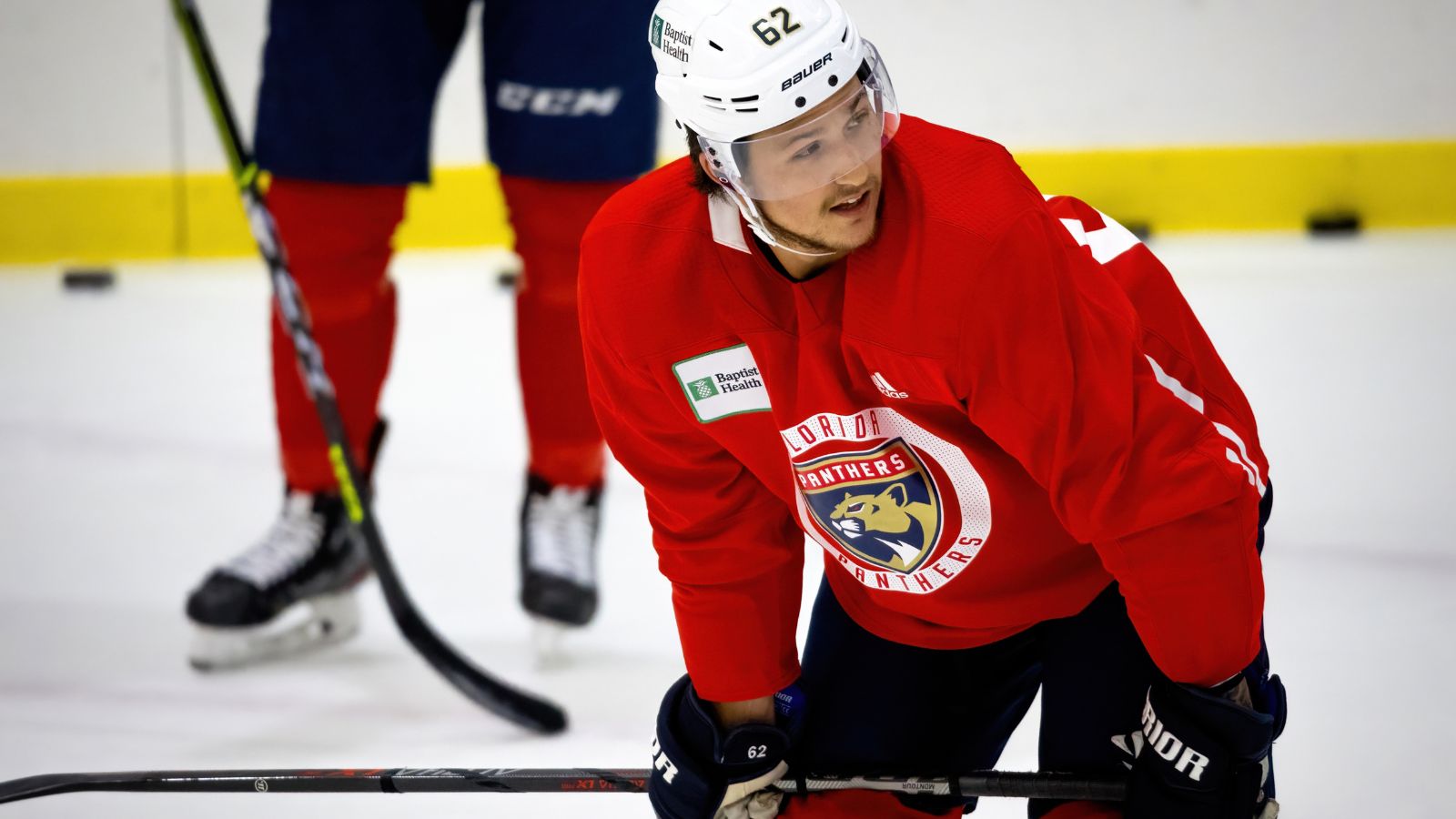
Florida went from three consecutive Stanley Cup Final appearances to missing the playoffs entirely. After championships in 2024 and 2025, injuries overwhelmed the Panthers in 2025–26, when they finished 40-38-4 and seventh in the Atlantic. Aleksander Barkov’s serious knee injury was only part of a long list of absences that also included Matthew Tkachuk, Brad Marchand, Carter Verhaeghe and several important defencemen.
Management clearly views that collapse as an interruption rather than the end of an era. Florida acquired Brady Tkachuk from Ottawa, bringing him together with Matthew, while Jacob Markstrom arrived after Sergei Bobrovsky’s departure. The Panthers still have players who understand exactly what is required in June, but their window has entered a more complicated phase as key veterans age and the goaltending changes. Watching Carolina raise the 2026 championship banner on opening night will provide a vivid reminder of how quickly the league moves on. Florida’s objective is unmistakably to rejoin that conversation immediately.
Los Angeles Kings — Five Straight First-Round Exits Demand Something Different
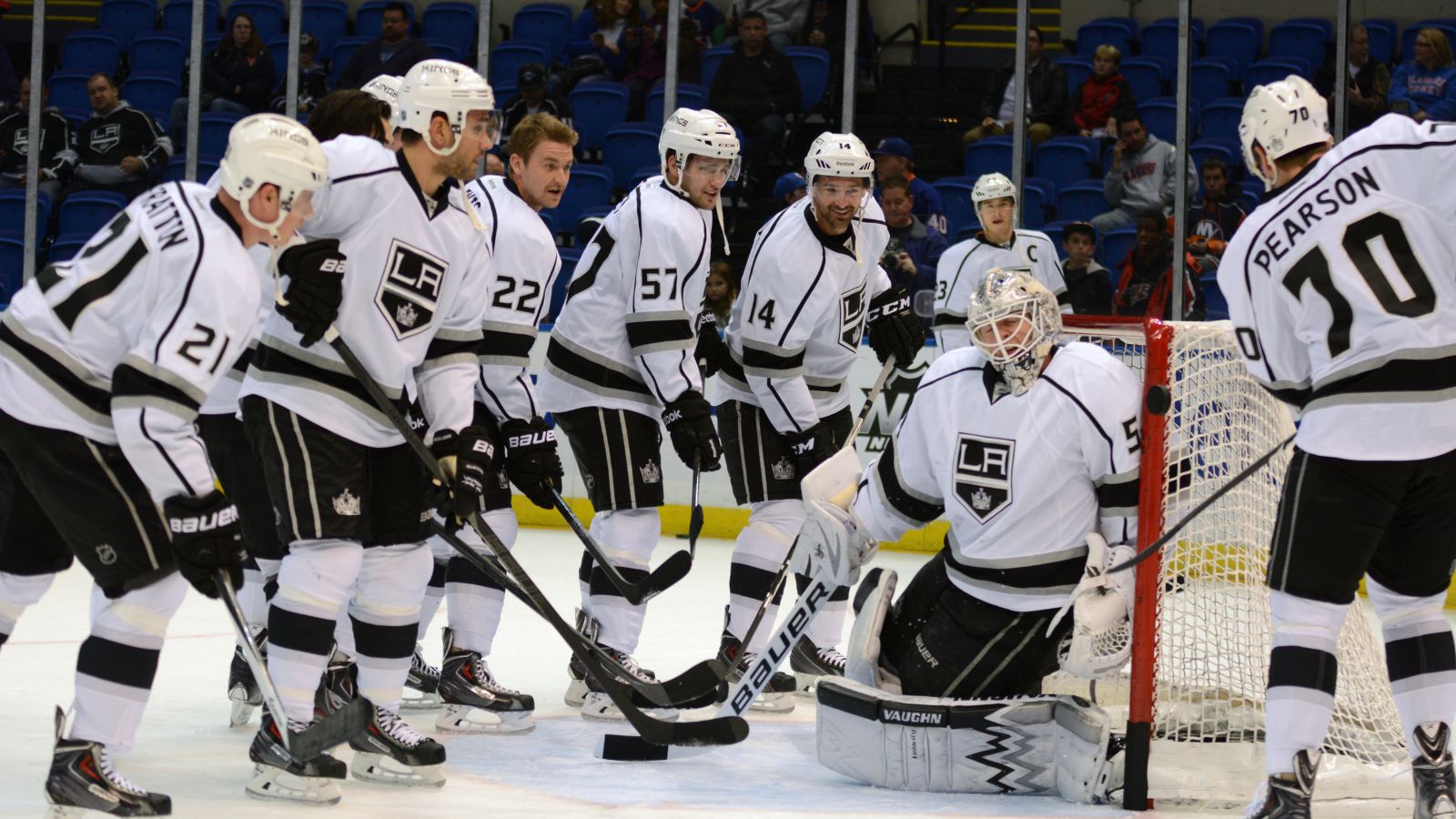
Making the playoffs consistently is usually viewed as success. Los Angeles has reached the postseason five consecutive years, but each appearance has ended in the opening round. Four of those defeats came against Edmonton before Colorado swept the Kings in 2026. At some point, reliable qualification stops being enough, particularly for a franchise still comparing its current era with championship seasons in 2012 and 2014.
The Kings hired Peter Laviolette to change the formula and added several veterans, including Mats Zuccarello, Corey Perry and Erik Haula. The roster is also moving beyond Anze Kopitar, while 36-year-old Drew Doughty is entering the final season of his eight-year contract. Los Angeles finished only 29th in goals last season, making offensive improvement an obvious priority. Adrian Kempe remains a high-end scorer, while Quinton Byfield represents a major part of the future. The immediate challenge is simple: prove this roster can do more than repeatedly arrive at the postseason and leave before May begins.
Minnesota Wild — The Long Wait for a Deep Run Has Become the Story

Minnesota finally broke through one barrier last spring. The Wild defeated Dallas in six games for their first playoff-series victory since 2015 before losing to Colorado in the second round. Even that progress highlighted the larger issue. Minnesota has reached the playoffs in 12 of the past 14 seasons, yet it has won only three series since 2013 and has not reached a conference final since 2003.
This roster is talented enough for expectations to rise. Kirill Kaprizov produced 45 goals and 89 points last season, Matt Boldy reached career highs with 42 goals and 85 points, and Quinn Hughes recorded 53 points in 48 games after arriving from Vancouver. NHL.com’s preseason assessment described reaching the Western Conference Final as a reasonable minimum expectation for such a group. Minnesota also added proven winners Blake Coleman and Olli Maatta. The Wild have spent years being reliably competitive. What the organization increasingly needs is evidence that reliability can finally evolve into genuine championship contention.
New Jersey Devils — The Talented Core Has to Become a Consistent Winner
New Jersey’s potential has been discussed for years, but the results remain uneven. The Devils finished 42-37-3 last season and missed the playoffs, leading to a front-office change that brought former Florida executive Sunny Mehta in as general manager. New Jersey then added multiple players through trades and free agency while signing captain Nico Hischier to a five-year, $58.5 million extension.
That contract reinforced the organization’s commitment to a core featuring Hischier, Jack Hughes and Luke Hughes. The challenge is keeping its most dynamic offensive player available. Jack Hughes produced 77 points in 61 games last season, but New Jersey went 8-13-0 without him. At 25, he is firmly in the stage of his career when potential is expected to produce sustained team success. Mehta inherited a roster too talented to keep cycling between promising seasons and disappointing ones. The Devils do not necessarily need a Stanley Cup immediately, but another playoff miss would be increasingly difficult to dismiss as growing pains.
Buffalo Sabres — The Breakthrough Season Has to Become Sustainable

Buffalo finally escaped one of the most uncomfortable records in professional hockey by ending a 14-season playoff drought. The Sabres did much more than sneak into the postseason. They went 50-23-9, won the Atlantic Division, defeated Boston in the opening round and came within an overtime goal in Game 7 of reaching the Eastern Conference Final.
Now comes an entirely different challenge: proving the breakthrough was sustainable. Buffalo lost important pieces during the offseason, including Alex Tuch and Bowen Byram, creating pressure on a young core to absorb additional responsibility. Tage Thompson remains one of the league’s most dangerous shooters and has now produced three 40-goal seasons. The Sabres also have emerging talent capable of carrying greater roles. Last year’s success changed the organization’s baseline expectations almost overnight. Missing the postseason again would feel far worse than it did during the rebuilding years because Buffalo has finally demonstrated what this group can accomplish. The next step is turning one memorable spring into the beginning of something lasting.
Montreal Canadiens — A Conference-Final Run Changes the Conversation
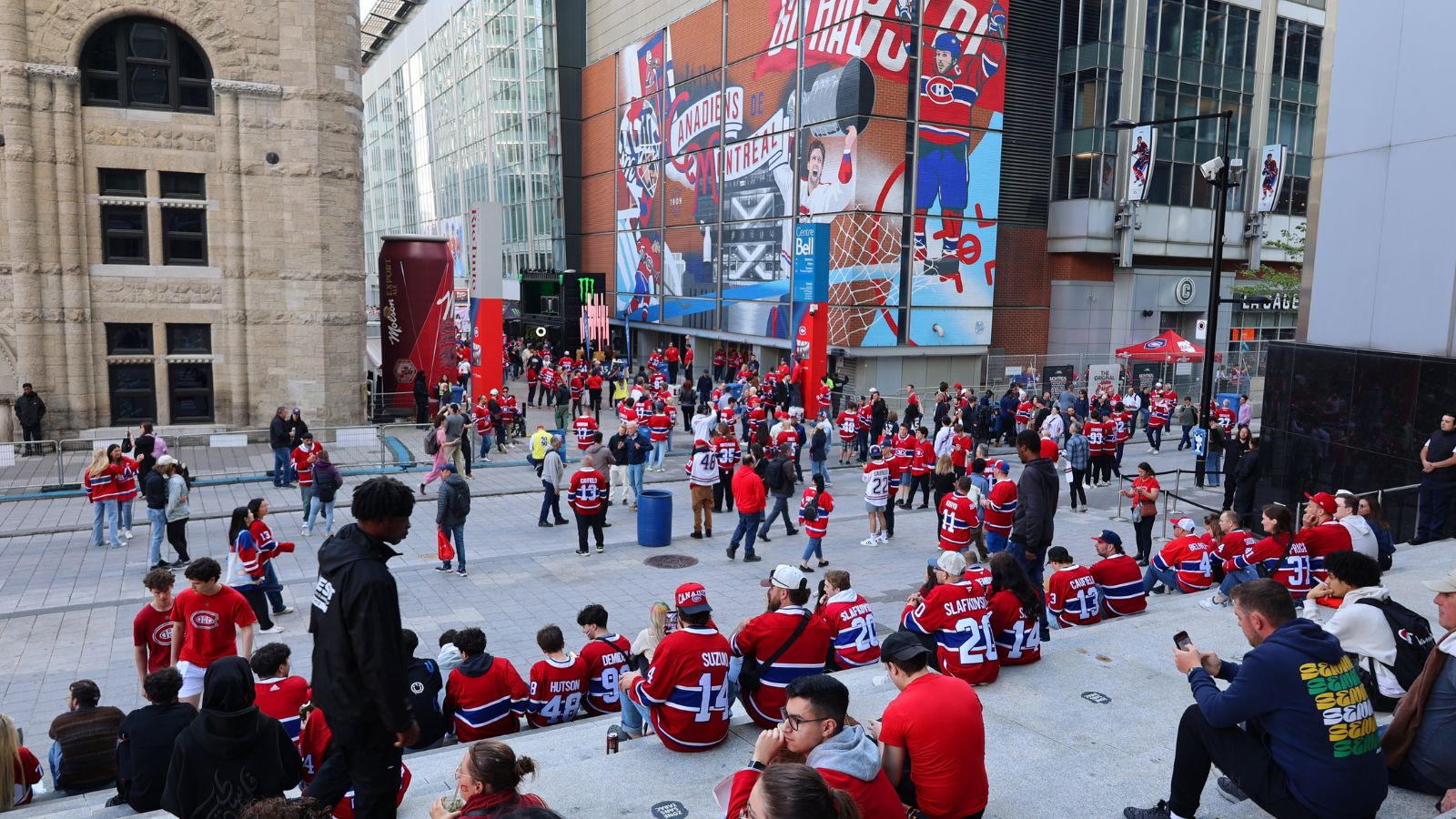
Montreal’s rebuild accelerated dramatically last season. The Canadiens reached the Eastern Conference Final before losing to eventual champion Carolina, transforming expectations around one of the NHL’s youngest high-end cores. Nick Suzuki produced 101 points, becoming Montreal’s first 100-point player in 40 years, while Cole Caufield scored 51 goals and finished only two behind league leader Nathan MacKinnon.
Those numbers make it much harder to describe Montreal simply as an emerging team. Ivan Demidov, Lane Hutson and other young players give the Canadiens room to improve internally, while management resisted making reckless short-term moves after the playoff run. That patience is sensible, but success creates its own pressure in Montreal. A conference-final appearance establishes a new reference point, even if natural development rarely occurs in a straight line. The Canadiens do not have the aging-window urgency facing Tampa Bay or Pittsburgh. Their pressure comes from demonstrating that last spring represented the arrival of a genuine contender rather than a young team getting ahead of schedule once.
Boston Bruins — Retooling While Pastrnak and McAvoy Remain in Their Prime

Boston has attempted something difficult: changing generations without disappearing from relevance. The Bruins moved several veteran fixtures during their retool, including longtime captain Brad Marchand, yet returned to the playoffs last season with a 45-27-10 record. They were eliminated by Buffalo in the first round, but the campaign showed that Boston’s competitive floor remains relatively high.
The next question is whether the Bruins can transform back into something more dangerous. Boston acquired JJ Peterka at significant draft cost, adding a 24-year-old winger who has scored at least 25 goals in three consecutive seasons. David Pastrnak, Charlie McAvoy and Jeremy Swayman remain cornerstone players, while prospect James Hagens represents the next wave. The organization is neither rebuilding conventionally nor loading up exclusively for one final veteran run. That middle ground creates pressure of its own. With Pastrnak and McAvoy still capable of anchoring a contender, Boston cannot afford for a multiyear retool to quietly consume their most valuable seasons.
Philadelphia Flyers — Last Year’s Progress Raised Expectations Quickly

Philadelphia’s rebuild produced tangible results sooner than many expected. The Flyers finished 43-27-12, surged to an 18-7-1 record after the Olympic break and defeated Pittsburgh in six games for their first playoff-series victory since 2020. Their run ended abruptly when eventual champion Carolina swept them in the second round, but reaching that stage changed the standard heading into 2026–27.
General manager Daniel Briere largely kept the core together, allowing a young group to demonstrate what it learned from its first postseason experience. Twelve returning players made their playoff debuts last spring. Matvei Michkov and Porter Martone headline a talented young group, but Philadelphia still has weaknesses, particularly down the middle and on a power play that finished last in the NHL at 15.7 percent. The Flyers even tried to address centre depth by signing Leo Carlsson to an $18 million-per-year offer sheet before Anaheim matched it. Philadelphia remains a developing team, but another step backward would now feel considerably more disappointing.