







Fantasy football regret usually needs a few weeks to fully develop. In 2026, however, several prominent draft choices have already given managers reasons to feel uneasy. Some opened the season with surprisingly small workloads. Others produced disappointing stat lines despite premium draft prices, while injuries have suddenly complicated the outlook for several receivers expected to anchor fantasy lineups.
One bad game does not turn an elite player into a season-long bust, and early usage can change quickly. Still, draft value is partly about avoiding problems, especially when an expensive pick immediately creates lineup uncertainty. These 17 fantasy football draft picks stand out because the first week and early Week 2 developments have made their preseason prices look considerably less comfortable than they did on draft night.
Ja’Marr Chase — The WR1 Price Met a Week 1 Vanishing Act
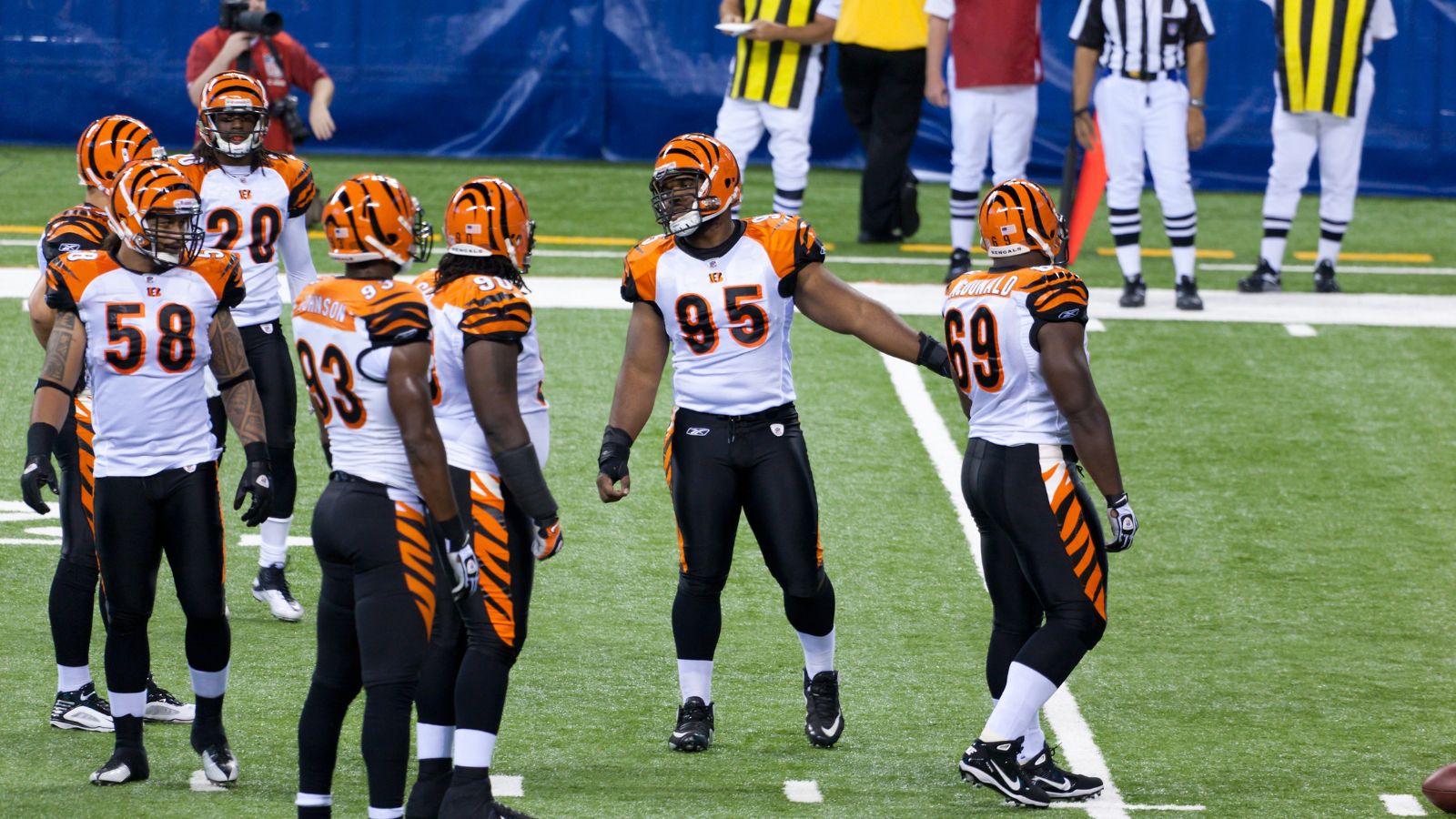
Few fantasy managers expected to spend an elite pick on Ja’Marr Chase and immediately wonder where the opportunities went. Chase entered the season around third overall in PPR average draft position and remained one of the first wide receivers selected in virtually every format. Yet his opener produced only two receptions for 12 yards on four targets. For a receiver drafted specifically because of his ability to combine enormous volume with explosive plays, that was about as frustrating a start as possible.
The underlying usage made the performance even stranger. Chase continued running routes on nearly every Cincinnati passing play, so the issue was not that he had suddenly become a rotational receiver. He simply was not being fed the football, finishing with a target share below 12%. That distinction matters because it offers some reason for optimism. Still, managers who used a top-three pick wanted weekly lineup-changing production, not reassurance that the routes were there. A rebound remains highly plausible, but Week 1 demonstrated how painful even one quiet Chase game can be at that acquisition cost.
Christian McCaffrey — The Workload Is No Longer Automatic
Christian McCaffrey’s fantasy appeal has long been built on a simple premise: when healthy, he receives enough rushing and receiving work to overwhelm ordinary concerns about efficiency. That assumption looked less secure in the opener. McCaffrey carried 10 times for 68 yards and added five catches for 20 yards, giving him a useful real-world day but nothing resembling the dominant workload managers expected from a player commonly selected within the first five picks.
The unsettling detail was the involvement of Kaelon Black. The rookie received 14 carries, four more than McCaffrey, while McCaffrey handled only about one-third of San Francisco’s rushing attempts. His eight passing-game targets helped preserve his fantasy floor, and no sensible conclusion should be drawn from one game alone. Yet workload was exactly what managers believed they were purchasing. After McCaffrey handled more than 400 touches in 2025, any movement toward a genuine committee changes the calculation. Even modest workload management could make his first-round price much harder to justify than it appeared in August.
De’Von Achane — Elite Draft Cost, Uneasy Offensive Environment
De’Von Achane was drafted as an explosive RB1, with an average draft position around the opening round in many formats. The season opener delivered the volume managers wanted but very little of the game-breaking production that made the Miami back so attractive. Achane rushed 11 times for only 36 yards, an average of 3.3 yards per attempt, and added four catches for 30 yards. His involvement kept the floor respectable, but there were no long runs or touchdowns to rescue the afternoon.
That is particularly important with Achane because his fantasy ceiling has always depended on turning ordinary touches into extraordinary gains. The encouraging part is that he dominated Miami’s backfield rushing workload, handling more than four-fifths of the designed carries according to PFF’s charting. The concern is everything around him. If Miami’s offense struggles to create scoring opportunities or open running lanes, even a healthy share of touches can become less valuable. Managers did not draft Achane simply to accumulate 60 or 70 scrimmage yards; they paid for weekly difference-making upside.
Drake London — Four Targets Can Undo a Premium Price
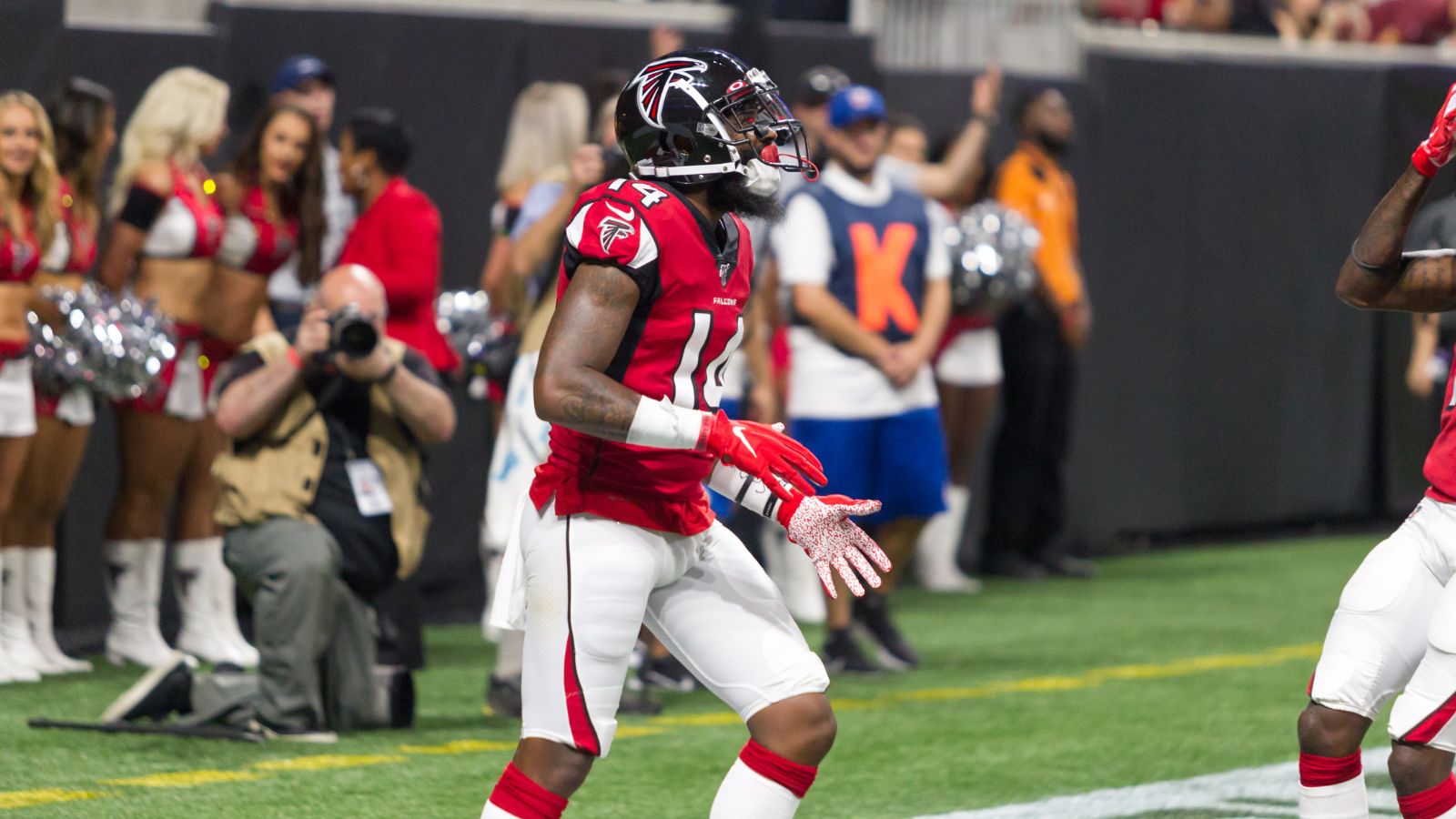
Drake London carried genuine WR1 expectations into 2026, which is why his opening workload was so difficult for fantasy managers to ignore. London caught only two passes for 29 yards on four targets, adding six yards on his lone rushing attempt. It was not merely the modest yardage that stood out. Four targets are difficult to reconcile with the draft-day expectation that London would function as one of the league’s most heavily featured receivers.
That expectation was not created out of thin air. During a productive stretch in 2025, London commanded roughly 30% of Atlanta’s targets, the kind of usage capable of supporting high-end fantasy production even when touchdowns fluctuate. Week 1 looked nothing like that formula. Early-season offensive plans can change rapidly, and one matchup should not erase a receiver’s established talent. Still, premium fantasy wideouts usually need either heavy target volume or extraordinary efficiency. London received neither in his opener. Managers who drafted him around the second round now have an uncomfortable usage trend to monitor rather than the automatic target magnet they expected.
A.J. Brown — An Immediate IR Detour
Sometimes draft regret has nothing to do with forecasting skill. A.J. Brown entered the year carrying roughly a top-20 overall acquisition cost in many fantasy drafts, giving managers every reason to expect him to occupy a starting receiver spot throughout September. Instead, New England placed Brown on injured reserve after its opener, guaranteeing an absence of at least four games. Because of the schedule, his earliest possible return is not until Week 6.
That is a particularly damaging development in traditional fantasy leagues because an expensive receiver is supposed to stabilize a roster while later-round selections sort themselves out. Brown’s managers are instead searching waivers and bench depth almost immediately. The long-term season may still contain plenty of productive weeks, and injured reserve does not automatically mean his entire campaign is compromised. The issue is draft opportunity cost. Every game missed by a top-20 selection magnifies the value that could have been obtained elsewhere. Few fantasy outcomes create regret faster than watching a premium pick occupy an IR slot before September is over.
Nico Collins — A Great Opener Followed by Hamstring Trouble
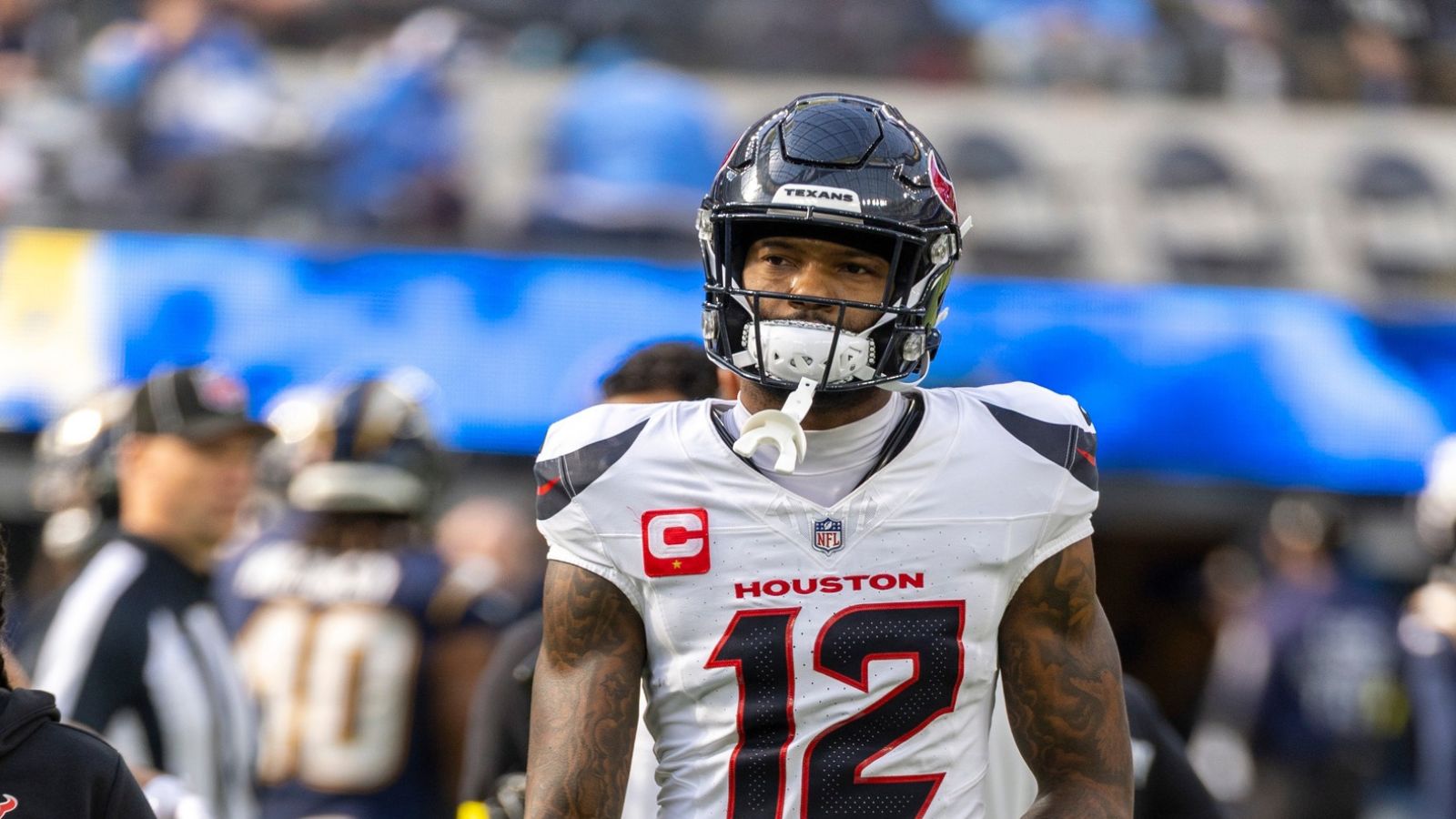
Nico Collins did almost everything managers wanted in the opener. He caught seven passes for 75 yards and a touchdown, immediately validating the investment fantasy managers made when selecting him around the second round. Then the calculation changed. Collins suffered a hamstring injury during practice ahead of Week 2, introducing the exact type of availability concern that can quickly turn a successful draft pick into a stressful weekly decision.
The timing matters because hamstring problems have already interrupted Collins before. He missed five games with a hamstring injury in 2024, and current reporting indicates the latest strain could sideline him for multiple games. That does not make the selection a mistake in hindsight; his Week 1 production showed exactly why he was drafted so aggressively. It does mean managers may lose one of their cornerstone receivers almost immediately after seeing his ceiling. Early-round fantasy picks carry extra value because managers expect dependable access to their production. Collins suddenly offers plenty of production when active but much less certainty about when that production will actually be available.
Puka Nacua — Top-Five Cost Meets Monday-Night Uncertainty
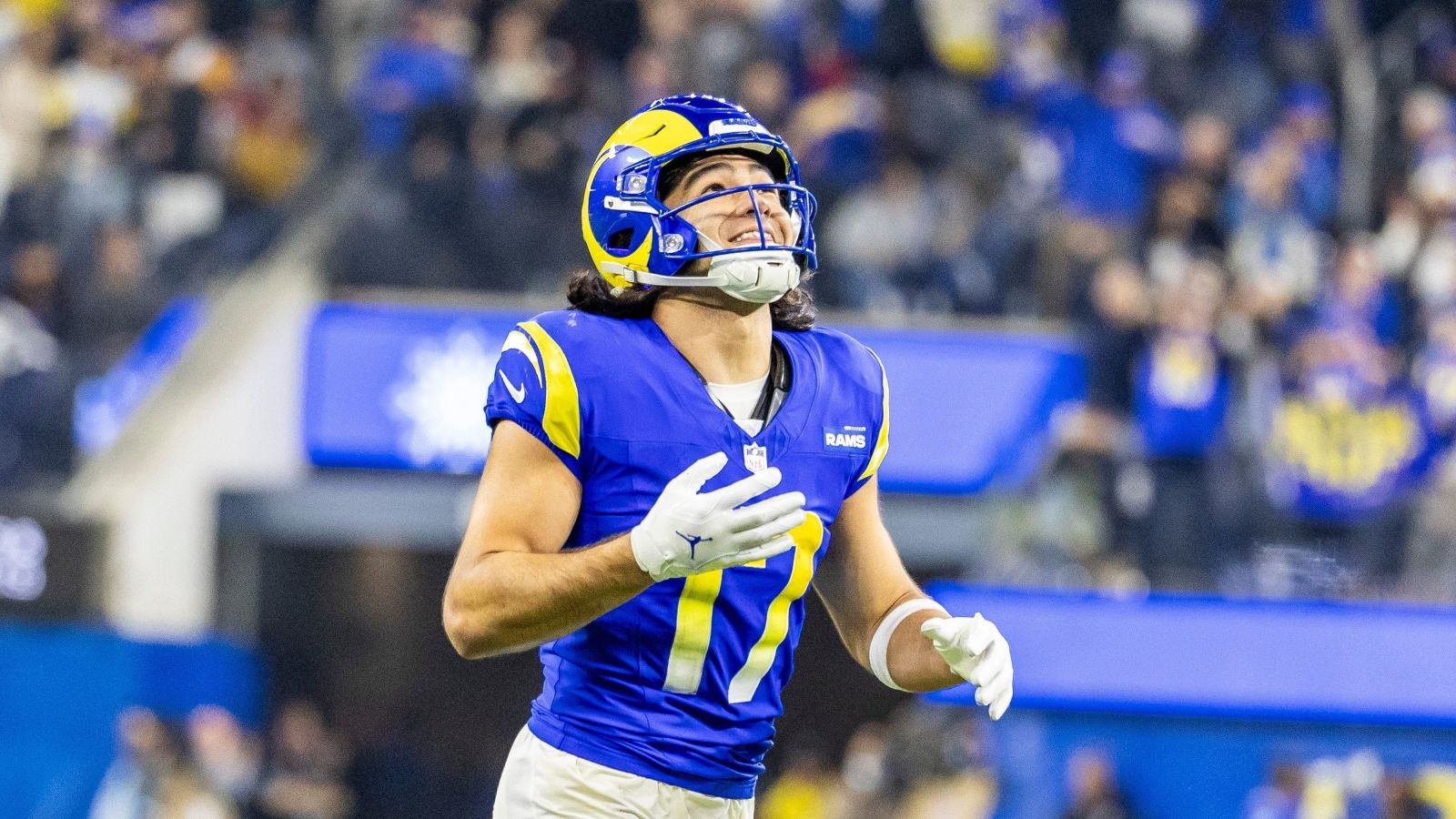
Puka Nacua entered 2026 as one of fantasy football’s safest-looking premium receivers. His PPR average draft position sat around fourth overall, and he opened the season with five catches for 74 yards. That was not an explosive performance, but it was hardly alarming by itself. The concern arrived later in the week when a hip injury kept Nacua out of consecutive practices and left him questionable for a Monday-night matchup.
Late-game injury uncertainty is especially frustrating in fantasy. A player appearing on Sunday afternoon at least gives managers access to the full waiver wire and bench. A questionable star scheduled for Monday can force a decision before his final availability is known. Nacua’s recent production reinforces why most managers will wait as long as possible before considering alternatives: he caught 129 passes for 1,715 yards and 10 touchdowns in 16 games last season. Still, top-five picks are supposed to reduce lineup anxiety. Barely one week into the schedule, Nacua’s managers are already dealing with exactly the opposite.
Zay Flowers — A 150-Yard Day Still Ended With a Problem
Zay Flowers provided one of the strangest combinations of encouragement and disappointment among prominent fantasy receivers. Before leaving Baltimore’s opener, Flowers produced five catches for 150 yards and a touchdown, the kind of explosive line that can win a matchup almost by itself. Unfortunately, the hamstring problem he aggravated during that performance has already ruled him out for Week 2.
That creates a difficult emotional swing for managers who drafted Flowers around WR15 territory in PPR formats. The opening performance confirmed that his ceiling remains substantial after a 2025 season in which he topped 1,200 receiving yards. The injury, however, immediately interrupts the momentum and introduces the possibility that a soft-tissue problem could linger. Hamstring issues are particularly troublesome for a player whose game relies heavily on acceleration, route separation, and yards after the catch. The selection can still work out beautifully over a full season, but managers have already gone from celebrating an enormous opener to filling a starting lineup spot one week later.
Omarion Hampton — The Touchdown Hid a Thin Passing-Game Role
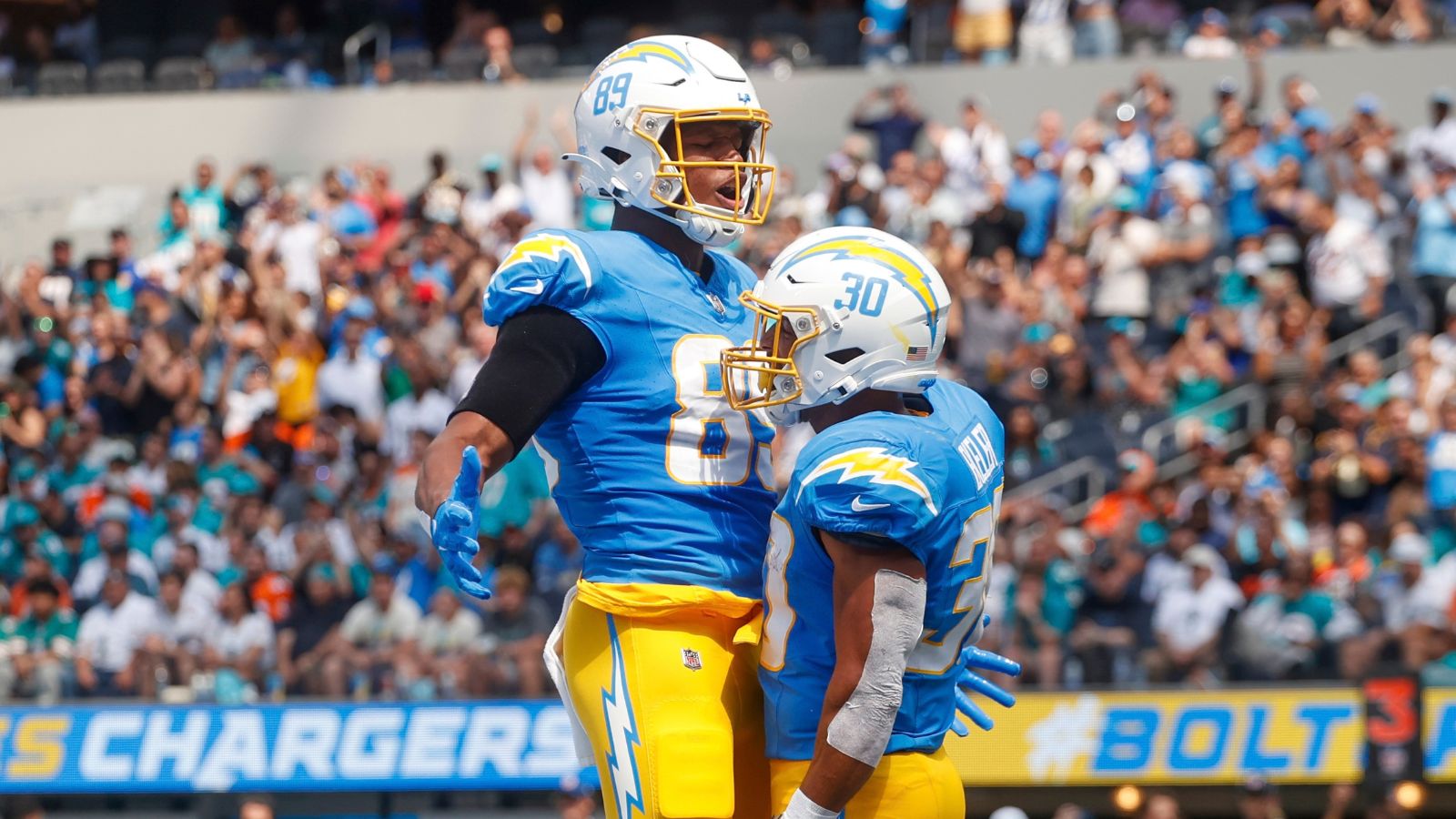
Omarion Hampton’s debut looked acceptable in a box score because he found the end zone. The Chargers running back carried 12 times for 43 yards and scored, giving managers enough production to avoid an outright disaster. Yet Hampton averaged only 3.6 yards per rush, and the more significant fantasy concern was his absence from the passing game. He ran routes but was not targeted.
That matters because Hampton was being selected aggressively, with PPR average draft position hovering around the middle of the second round in some consensus data. Running backs drafted that early generally need either enormous rushing volume or receiving usage to justify the cost. Hampton did control 12 of the Chargers’ 16 backfield carries in the opener, which is a strong sign, but touchdowns can disguise an otherwise thin fantasy profile. If the scores disappear and receptions remain scarce, a 12-carry workload becomes much less exciting. Managers who drafted Hampton as a dependable RB1 may already be hoping Week 1 represented his floor rather than the blueprint.
Terry McLaurin — New Competition Showed Up Immediately
Terry McLaurin’s draft price was lower than the elite receivers on this list, but the expectation was still clear: managers selecting him around the fifth-round range wanted a reliable fantasy starter. His opener instead produced two receptions for just 14 yards on four targets. Even more noteworthy, new teammate Stefon Diggs drew nine targets while rookie Antonio Williams also made a major impact in Washington’s passing game.
There were legitimate matchup explanations. Washington general manager Adam Peters said Philadelphia devoted extra coverage to limiting McLaurin, and one difficult divisional game does not establish a new season-long hierarchy. Even so, fantasy managers were counting on McLaurin benefiting from his established chemistry with Jayden Daniels and from a bounce-back season after injuries limited him in 2025. Instead, Week 1 demonstrated that Washington now has more mouths to feed. McLaurin can absolutely reclaim a larger target share, but his path to predictable WR2 production suddenly looks less straightforward than it did when managers were drafting him as roughly the 24th-to-26th receiver off the board.
Marvin Harrison Jr. — One Catch Revives an Old Concern

Marvin Harrison Jr. entered 2026 at a much cheaper price than he carried earlier in his career, but managers still drafted him expecting a significant rebound. His opening performance did little to calm concerns. Harrison managed only one reception for 33 yards, a painfully thin contribution from a player whose pedigree and physical talent continue to keep expectations elevated.
The disappointment feels larger because 2025 was already interrupted by several health problems, including a concussion, an appendectomy and a heel issue. Before those problems accumulated, Harrison had still commanded a meaningful share of Arizona’s passing game, giving fantasy managers reason to believe a healthier season could unlock greater consistency. Instead, the first game again left managers searching for involvement. His PPR average draft position around the low 70s means the damage is not comparable with missing on a first-round selection, but mid-round picks are often where fantasy teams build their weekly depth. One catch is exactly the type of opening line that makes a once-exciting upside pick suddenly feel like another lineup puzzle.
Davante Adams — The Touchdown Regression Risk Showed Up Early
Davante Adams remained expensive enough in 2026 drafts to require useful weekly production. His PPR average draft position landed around 50th overall and WR23, putting him firmly in the range where managers expected to start him most weeks. The opener offered only three receptions for 26 yards on six targets, with no touchdown to salvage the fantasy result.
The missing touchdown matters more with Adams than it might with some receivers. He scored 15 times in 2025, an enormous total that helped offset other warning signs, including a career-low catch rate around 53% and declining production after the catch. Touchdowns are inherently volatile, so managers drafting Adams were making at least part of their bet on continued scoring opportunities. Week 1 showed what the floor can look like when those opportunities do not become six points. Adams remains capable of dominating in the red zone, and one score could quickly change the conversation. But managers who paid WR2 prices have already received an uncomfortable example of what touchdown regression could mean.
Quinshon Judkins — Volume Without Efficiency Is a Fragile Bet
Quinshon Judkins had enough involvement in Week 1 to remain relevant, but the efficiency left plenty to be desired. He rushed 12 times for 33 yards, averaging only 2.8 yards per carry, and added two receptions for 17 yards. That gave managers a modest all-purpose total despite 14 touches, an awkward return for a player drafted around RB21 and roughly 45th overall in PPR consensus data.
Efficiency was not a completely new concern. During his 2025 season, Judkins’ fantasy usefulness was often built more on workload than on consistently creating big gains. He averaged close to 19 touches during a key stretch, but preseason evaluations continued to note mediocre rushing efficiency and questions surrounding Cleveland’s offensive environment. That formula can work when a running back receives 18 to 22 opportunities every week. It becomes much more fragile when the touch count settles closer to 14. Judkins does not need to become an explosive runner overnight, but his managers would like either better blocking, more receiving involvement, or a heavier workload before feeling comfortable again.
Tony Pollard — Eight Touches Are Hard to Build Around
Tony Pollard was not drafted as a league-winning superstar, but managers selecting him around RB28 expected usable volume. His first game supplied only eight touches. Pollard carried seven times for 35 yards and caught one pass for minus-one yard as Tennessee’s offense struggled to sustain enough productive possessions. Tyjae Spears received only three carries, so the problem was not necessarily a full backfield takeover. The problem was simply that there was very little work to divide.
That is dangerous for a veteran running back whose fantasy appeal depends heavily on accumulating touches. Pollard has cleared 1,000 rushing yards in four consecutive seasons, but preseason analysis already questioned whether another such year was likely as his efficiency and receiving production declined. Week 1 did nothing to resolve those concerns. A five-yard rushing average looks perfectly respectable, yet seven attempts cannot produce reliable fantasy points without touchdowns or substantial receiving work. For managers who drafted Pollard as an affordable weekly RB2 or flex, the early challenge is straightforward: Tennessee needs to create considerably more opportunity.
Colston Loveland — Zero Catches in a 59-Point Game

Few Week 1 stat lines were more frustrating than Colston Loveland’s. Chicago scored 59 points, the type of offensive eruption that normally creates fantasy production across an entire roster, yet Loveland finished without a reception on two targets. Managers who drafted the young tight end aggressively watched other Bears benefit while one of the offseason’s most exciting breakout candidates failed to record a catch.
The usage prevents the performance from becoming an immediate catastrophe. Loveland was on the field extensively and participated in the vast majority of Chicago’s passing routes, meaning he was not simply being phased out of the offense. That can sometimes be more predictive than one week’s receptions. Still, fantasy managers were paying for much more than cardio. Loveland carried an ADP around the TE3 range in some best-ball markets, placing him among the first tight ends selected. When a player receives that kind of positional investment, managers expect targets to accompany the routes. Week 1 left them waiting for evidence that his promising role will actually translate into fantasy production.
Kyle Pitts — One Target Reopened Familiar Questions
Kyle Pitts entered another season carrying the promise of a fantasy resurgence. His price was more reasonable than during the most optimistic years of his career, but he was still being drafted around TE7 and near the 70s overall in PPR formats. The opener could hardly have been quieter: Pitts received one target and finished without a catch.
That performance was especially jarring because Pitts had just produced a strong 2025 fantasy finish. Yet even that season contained reasons for caution. More than one-fifth of his total fantasy output came from a massive Week 15 performance, meaning his year-end ranking concealed considerable week-to-week volatility. That is the exact issue managers want to avoid at tight end. The attraction of spending an earlier pick at the position is supposed to be gaining predictable production instead of streaming matchups. One target provides neither volume nor predictability. Pitts has more than enough athletic ability to rebound, but after years of waiting for a sustained breakout, managers could be forgiven for feeling a familiar sense of concern.
Jameson Williams — Two Games, Still Waiting for the Big Play

Jameson Williams now has something many other disappointing fantasy picks do not: two completed games of evidence. He opened the season with four catches for 45 yards, then managed two receptions for 33 yards in Detroit’s Thursday-night Week 2 game. Through two outings, that leaves Williams with six catches, 78 receiving yards and no touchdowns.
The encouraging part is that Week 1 usage was considerably better than the final fantasy score suggested. Williams drew nine targets, accounted for roughly 23% of Detroit’s targets and commanded a substantial share of first-read opportunities. That is the kind of involvement managers wanted when drafting him around WR26 and roughly 58th overall in PPR formats. Eventually, targets of that quality can produce explosive games. The frustration is that fantasy managers drafted Williams specifically for explosive games, and they have not arrived yet. With no touchdown and fewer than 80 receiving yards through two contests, an exciting middle-round pick has already created two weeks of missed opportunity.